







The John Muir Trail (JMT) is a renowned long-distance trail that stretches across the Sierra Nevada mountain range in California. Named after the famous naturalist John Muir, this trail offers hikers a chance to experience some of the most breathtaking landscapes in the United States. Spanning over 213 miles, the trail begins in Yosemite Valley and ends at the summit of Mount Whitney, the highest point in the contiguous United States. The JMT is a favorite
among backpackers and outdoor enthusiasts, providing a challenging yet rewarding adventure through diverse terrains and elevations.
The Path of the John Muir Trail
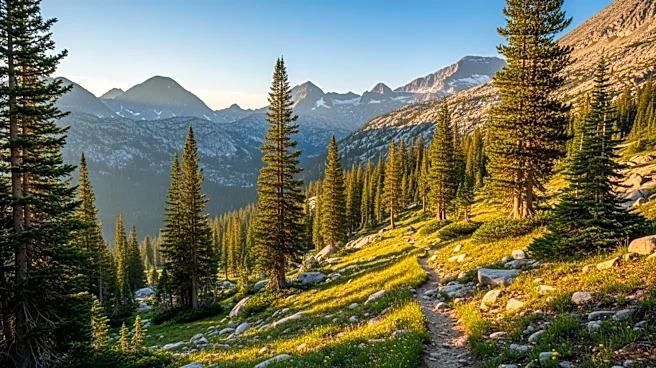
The John Muir Trail starts at Happy Isles in Yosemite Valley, a location known for its stunning natural beauty. From there, the trail winds its way through the Sierra Nevada, passing iconic landmarks such as Half Dome and Tuolumne Meadows. As hikers progress southward, they traverse through Yosemite National Park, Kings Canyon National Park, and Sequoia National Park, each offering unique vistas and ecosystems.
The trail is mostly situated in the High Sierra backcountry, maintaining elevations above 8,000 feet for much of its length. This high-altitude journey includes crossing several mountain passes, such as Donohue Pass and Forester Pass, which are over 11,000 feet high. The trail's southern terminus is at Mount Whitney, standing at 14,505 feet, providing a dramatic conclusion to the trek.
Natural Wonders Along the Trail
Hikers on the John Muir Trail are treated to a variety of natural wonders. The trail passes through alpine regions, lush meadows, and dense forests, offering a diverse array of flora and fauna. Notable sights include the Devils Postpile National Monument, a unique geological formation, and the serene Evolution Basin, known for its stunning lakes and rugged peaks.
The trail also offers opportunities to witness wildlife in their natural habitats. Black bears, deer, and numerous bird species are commonly seen along the trail, adding to the wilderness experience. The high elevation and remote nature of the trail provide a sense of solitude and connection with nature that is hard to find elsewhere.
Challenges and Rewards of Hiking the JMT
Hiking the John Muir Trail is a challenging endeavor, requiring preparation and endurance. The trail's elevation changes, totaling around 47,000 feet, demand physical fitness and acclimatization to high altitudes. Hikers must also be prepared for varying weather conditions, including afternoon thunderstorms and chilly nights.
Despite these challenges, the rewards of completing the JMT are immense. The sense of accomplishment and the stunning views make the journey unforgettable. Many hikers take about three weeks to complete the trail, allowing them to fully immerse themselves in the beauty of the Sierra Nevada. The John Muir Trail remains a testament to the naturalist's legacy, inspiring adventurers to explore and appreciate the wonders of the natural world.