

Yoga blocks, also known as yoga bricks, are essential tools in the practice of yoga, providing support and enhancing alignment. These blocks come in various materials and designs, each offering unique benefits to practitioners. This article explores the different materials used in yoga blocks and the design considerations that make them effective tools in yoga practice.
Materials Used in Yoga Blocks
The earliest yoga blocks were crafted from wood, a material known for its durability
and support. Wooden blocks, often made from hardwoods like birch and maple, provide a solid foundation for various poses. However, they can be heavy and expensive, which led to the exploration of alternative materials. Softwoods like pine and lightweight options such as balsa are also used, offering a balance between weight and durability.
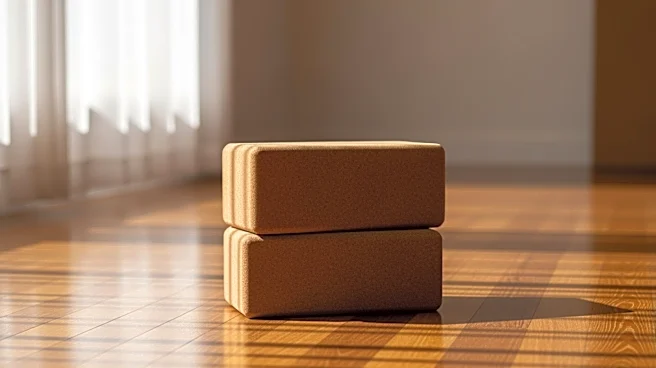
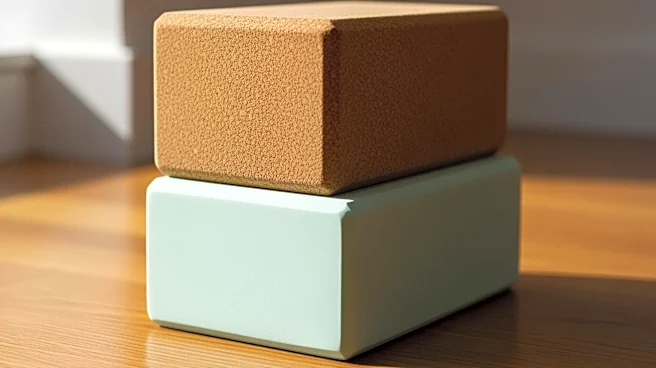
Cork is another popular material for yoga blocks, valued for its natural grip and ecological benefits. Cork blocks are naturally waterproof, making them resistant to sweat absorption, although they may eventually absorb odors and crumble with use. Foam blocks, typically made from EVA foam, are lightweight and affordable, making them a common choice in yoga studios. They are comfortable to sit on but may offer less support for more advanced poses.
Design Considerations for Yoga Blocks
Yoga blocks are typically cuboidal in shape, with chamfered edges for comfort. The design of a block often includes unequal length, width, and thickness, allowing for three different heights to accommodate various poses. This versatility makes them suitable for a wide range of applications in yoga practice.
Manufacturers sometimes differentiate between "bricks" and "blocks" based on thickness, with bricks being slimmer at about 2 inches thick, and blocks being thicker at 3 inches or more. Some companies have experimented with alternative shapes, such as oval blocks, which are comfortable for sitting but less versatile as supports.
The Role of Design in Yoga Practice
The design and material of a yoga block can significantly impact its functionality and the practitioner's experience. A well-designed block provides stability and support, enabling practitioners to focus on alignment and breath without strain. This is particularly important for beginners, who may rely on blocks to achieve proper form in poses.
For advanced practitioners, the design of a block can facilitate deeper exploration of poses, allowing for greater flexibility and strength development. The choice of material and design can also reflect personal preferences and environmental considerations, with many practitioners opting for eco-friendly options like cork or recycled foam.
In conclusion, the materials and design of yoga blocks play a crucial role in their effectiveness as yoga props. By understanding the options available, practitioners can select blocks that best meet their needs and enhance their yoga practice.