






The Smithsonian Institution Building, known as the Castle, is more than just an architectural marvel; it is a hub of knowledge and cultural engagement. Located on the National Mall in Washington, D.C., the Castle serves as the administrative center of the Smithsonian Institution and its main visitor center. This article explores the Castle's role in disseminating knowledge and fostering cultural connections, highlighting its significance in the Smithsonian's
mission.
The Castle as a Visitor Center
The Smithsonian Castle is the main visitor center for the Smithsonian Institution, welcoming millions of visitors each year. Inside, interactive displays and maps provide a comprehensive overview of the Smithsonian's offerings, guiding visitors through the vast array of museums, galleries, and research centers. The Castle's central location on the National Mall makes it an ideal starting point for exploring the Smithsonian's diverse collections.
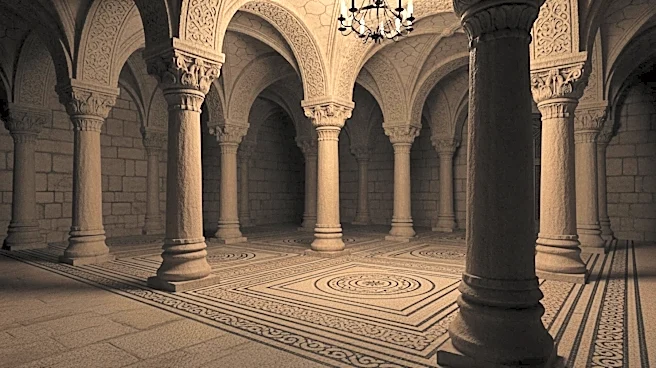
A crypt inside the north entrance houses the tomb of James Smithson, the institution's founding donor, adding a historical dimension to the visitor experience. The Castle's design allows for expansion, reflecting its informal medieval-inspired architecture that accommodates asymmetrical development. As the focal point of the National Mall, the Castle embodies the Smithsonian's mission of increasing and diffusing knowledge.
Cultural Engagement and Educational Programs
Beyond its role as a visitor center, the Smithsonian Castle is a center for cultural engagement and educational programs. The Castle hosts various events and exhibitions that showcase the Smithsonian's collections and research, providing opportunities for visitors to engage with art, history, and science. These programs are designed to educate and inspire, fostering a deeper understanding of the world around us.
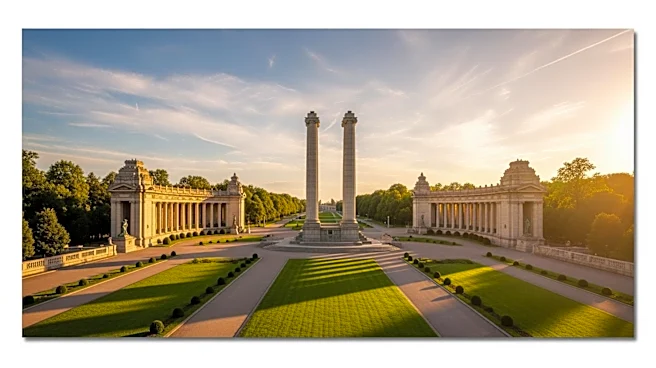
The Castle's interactive displays and electronic resources offer visitors a chance to explore the Smithsonian's collections in depth, with computers answering common questions and providing access to digital records. The Castle's role in cultural engagement is further enhanced by its picturesque surroundings, including the Enid A. Haupt Garden, which offers a tranquil space for reflection and exploration.
The Castle's Enduring Legacy
As the administrative center of the Smithsonian Institution, the Castle plays a crucial role in the organization's operations and strategic planning. It houses the offices of the Smithsonian's leadership, facilitating collaboration and decision-making that drive the institution's mission forward. The Castle's design and location make it a symbol of the Smithsonian's commitment to preserving and promoting knowledge.
In February 2023, the Castle closed for a planned five-year renovation, aiming to restore many aspects of the building and enhance its role as a hub of knowledge and culture. As the Smithsonian continues to evolve, the Castle remains a vital part of its legacy, serving as a beacon of learning and cultural engagement for generations to come.