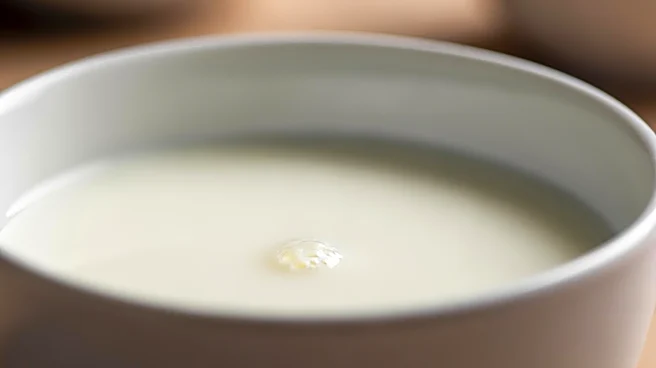




Milk skin, a protein film that forms on heated dairy milk, is a culinary element that holds varying significance across different cultures. Known by various names such as "lububi" in Uganda and "nata" in Spanish-speaking countries, milk skin is not just a byproduct of heating milk but a valued ingredient in many traditional dishes. This article delves into the cultural importance and uses of milk skin in diverse regions, highlighting its role in culinary traditions.
Milk Skin in Asian Cuisine
In China, milk skin is referred to as "nǎi pí" and is considered to be of high nutritional value. It is often incorporated into desserts and delicacies, particularly in regions like Inner Mongolia and Tibet where dairy products are integral to the diet. A notable dish is the Cantonese dessert known as double skin milk, which features milk skin on its surface. This dessert, originating from Shunde, showcases the culinary creativity and appreciation for milk skin in Chinese cuisine.
Similarly, in India, milk skin is known by various regional names such as "malai" in Hindi and "saay" in Marathi. It is commonly spread on bread as a substitute for butter, demonstrating its versatility and popularity. Milk skin is also used in the preparation of sweets like Sarpuria and Sarbhaja in West Bengal, further emphasizing its cultural significance.
European and Middle Eastern Perspectives
In France, milk skin plays a crucial role in the preparation of teurgoule, a type of rice pudding. This dish employs an extreme version of lactoderm, where the milk-containing dish is left to cook for many hours, allowing the milk skin to develop fully. This technique highlights the French appreciation for the unique texture and flavor that milk skin adds to traditional recipes.
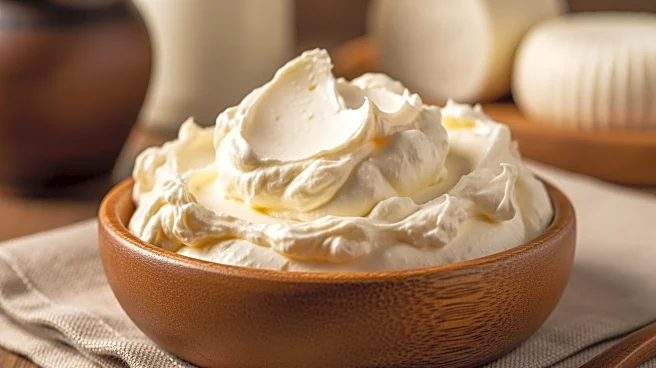
In Iran, milk skin is called "sarshir" and is typically enjoyed as a breakfast dish mixed with honey or jam and spread on flatbread. This practice underscores the nutritional value and culinary versatility of milk skin in Iranian cuisine. Similarly, in Turkey, milk skin known as "kaymak" is a traditional breakfast item, often paired with honey on bread, showcasing its role in everyday meals.
Milk Skin in African and Latin American Traditions
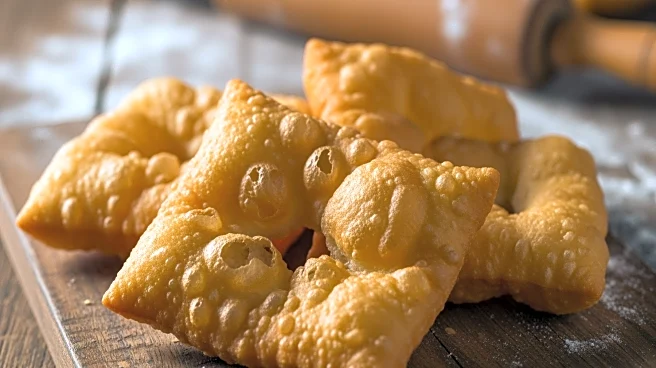
In Uganda, milk skin is called "lububi" and is an integral part of the local diet. Its presence in traditional dishes reflects the cultural importance of dairy products in Ugandan cuisine. Meanwhile, in Spanish-speaking countries, milk skin is referred to as "nata" and is used in various baked goods and foodstuffs, highlighting its widespread culinary application.
The diverse uses and cultural significance of milk skin across the globe illustrate its unique role in culinary traditions. From desserts to breakfast spreads, milk skin is a valued ingredient that enriches the flavors and textures of traditional dishes, showcasing the creativity and adaptability of different cultures in utilizing this dairy byproduct.