



Deciduous trees are a fascinating group of plants that undergo significant changes throughout the year. Known for their seasonal shedding of leaves, these trees are primarily found in temperate regions where they experience distinct seasons. This article delves into the seasonal cycle of deciduous trees, highlighting their adaptations and the environmental factors that influence their growth and survival.
Spring Awakening
As winter fades and temperatures begin to rise,
deciduous trees enter a period of rapid growth known as spring leafout. This process is triggered by a combination of increasing daylight and warmer air temperatures. For many species, such as Salix, leafout occurs early, while others like Fraxinus require longer daylight hours and warmer conditions. During this time, the trees produce new leaves that are bright green, marking the transition from dormancy to active growth.
The spring season is also a time for flowering in many deciduous species. Forsythia, for example, blooms during the leafless period, which enhances pollination efficiency. The absence of leaves allows for better wind transmission of pollen and increases the visibility of flowers to pollinators. However, this strategy carries risks, such as frost damage or water stress in dry regions.
Summer Growth and Stability
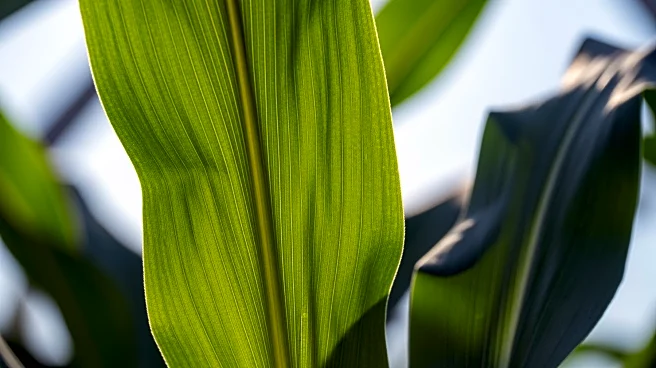
With the arrival of summer, deciduous trees continue to grow and stabilize. The leaves mature into a darker green, and the chlorophyll levels remain stable until autumn. During this period, the trees focus on photosynthesis, converting sunlight into energy to support their growth and development.
Deciduous trees have adapted to conserve water during the hot summer months. The dense canopy provides shade, reducing evaporation and maintaining humidity levels. This adaptation is crucial for survival, especially in regions with limited water availability. Additionally, the trees store nutrients in their roots and inner bark, which are later used to support new growth in the following spring.
Autumn Transformation
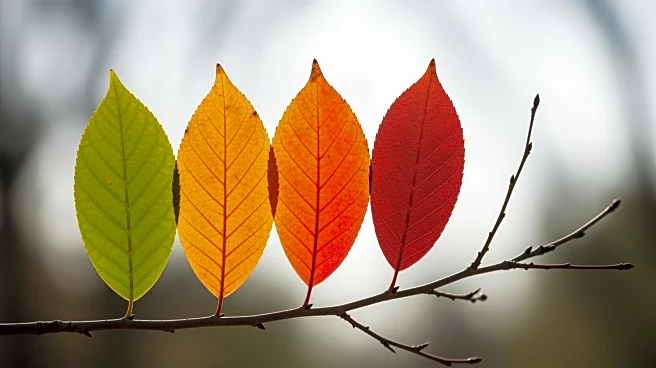
As autumn approaches, deciduous trees prepare for the upcoming winter by shedding their leaves. This process, known as abscission, is triggered by shorter days and cooler temperatures. The chlorophyll in the leaves breaks down, revealing other pigments such as carotenoids and anthocyanins, which produce the vibrant fall colors.
The formation of an abscission layer between the leaf petiole and the stem facilitates leaf drop. This layer is sensitive to auxin, a plant hormone, and its development is influenced by environmental stressors. Once the leaves are shed, the trees enter a dormant state, conserving energy and reducing water loss during the cold winter months.
Deciduous trees exhibit remarkable adaptations to seasonal changes, allowing them to thrive in diverse environments. Their ability to shed leaves and enter dormancy during unfavorable conditions is a testament to their resilience and evolutionary success.