







The 1932 Laurel and Hardy film 'The Music Box' is celebrated for its comedic brilliance and the iconic stairs scene that has left a lasting impression on audiences and film history. The stairs, located in the Silver Lake district of Los Angeles, have become a symbol of the film's enduring legacy, attracting tourists and film enthusiasts alike. This article delves into the significance of these stairs and their role in the film's success.
The Stairs as a Comedic Element
In 'The Music
Box,' Laurel and Hardy are tasked with delivering a piano to a residence at the top of a long flight of stairs. The stairs serve as the central comedic element, providing a backdrop for the duo's slapstick antics. As they struggle to maneuver the piano up the steps, the stairs become a character in their own right, contributing to the film's humor through the repeated mishaps and physical comedy.
The stairs are not just a physical obstacle but a catalyst for the film's narrative. Each attempt to ascend them results in a series of comedic encounters with various characters, including a nursemaid, a cop, and the formidable Professor Theodore von Schwartzenhoffen. These interactions add layers to the comedy, showcasing Laurel and Hardy's ability to turn a simple task into a hilariously complex ordeal.
Cultural and Historical Impact
The stairs featured in 'The Music Box' have transcended their role in the film to become a cultural landmark. In 1997, the film was selected for preservation in the National Film Registry by the Library of Congress, highlighting its cultural, historical, and aesthetic significance. The stairs themselves have become a popular tourist attraction, drawing fans of the film and classic cinema to experience a piece of Hollywood history.
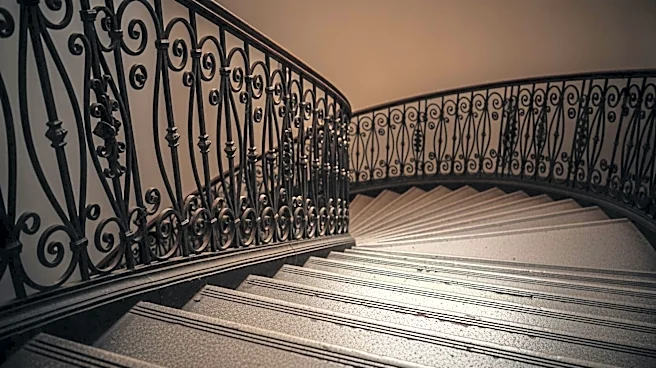
Located at 923-925 North Vendome Street, the stairs connect Vendome Street with Descanso Drive. A plaque commemorating the film is set into one of the lower steps, serving as a testament to the film's enduring legacy. The stairs have also appeared in other films, such as Charley Chase's 'Isn't Life Terrible?' and Billy Bevan's 'Ice Cold Cocos,' further cementing their place in cinematic history.
The Stairs in Modern Context
Today, the stairs continue to be a point of interest for film historians and fans of Laurel and Hardy. They represent a bygone era of filmmaking where physical comedy and simple premises could captivate audiences. The stairs are a reminder of the ingenuity and creativity of early filmmakers who used everyday settings to create memorable cinematic experiences.
The legacy of 'The Music Box' and its iconic stairs is a testament to the power of film to create lasting cultural landmarks. As visitors climb the steps, they are not just retracing the path of Laurel and Hardy but engaging with a piece of film history that continues to inspire and entertain.