





Griffith Observatory, perched on the south-facing slope of Mount Hollywood in Los Angeles, California, is not only a center for astronomical education but also an architectural gem. Since its opening in 1935, the observatory has captivated visitors with its unique design and stunning views. This article explores the architectural features and design elements that make Griffith Observatory a landmark in Los Angeles.
A Blend of Styles
The architectural design of Griffith
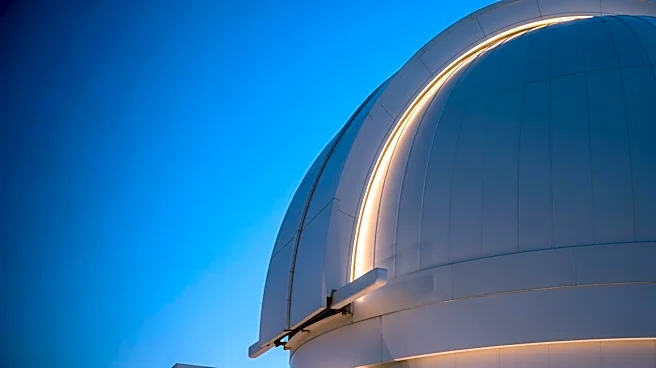
Observatory is a harmonious blend of Greek, Beaux-Arts, and Moderne styles. Architects John C. Austin and Frederic M. Ashley, along with designer Russell W. Porter, crafted a building that reflects both classical and modern influences. The exterior is adorned with the Greek key pattern, adding a touch of classical elegance to the structure.
The observatory's design is not only aesthetically pleasing but also functional. The building's layout and features are carefully planned to enhance the visitor experience. The central dome houses the planetarium, while the east and west domes contain telescopes for public viewing. This thoughtful design allows visitors to explore different aspects of astronomy within a cohesive architectural framework.
Renovation and Expansion
In 2002, Griffith Observatory underwent a significant renovation and expansion, which was completed in 2006. The $93 million project preserved the building's iconic Art Deco exterior while expanding its interior spaces. The renovation included the addition of underground exhibit areas, a café, a gift shop, and the Leonard Nimoy Event Horizon Theater.
The expansion was designed to enhance the observatory's educational offerings and accommodate the growing number of visitors. The new spaces provide room for interactive exhibits and state-of-the-art displays, allowing the observatory to continue its mission of public education and engagement.
Iconic Features and Exhibits
Griffith Observatory is home to several iconic features and exhibits that draw visitors from around the world. The Foucault pendulum, located in the W. M. Keck Foundation Central Rotunda, demonstrates the Earth's rotation and is a popular attraction for visitors. The observatory also houses "The Big Picture," the largest astronomically accurate image ever constructed, depicting the Virgo Cluster of galaxies.
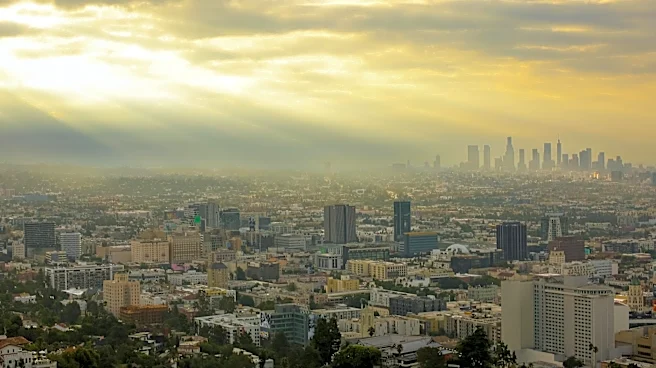
The observatory's design extends to its outdoor spaces, which offer panoramic views of the Los Angeles Basin, the Hollywood Sign, and the Pacific Ocean. These views, combined with the observatory's architectural beauty, make it a must-visit destination for both locals and tourists.
Griffith Observatory's architectural design is a testament to the vision of its creators and the enduring appeal of its style. As a landmark in Los Angeles, it continues to inspire and educate visitors with its blend of science and art.