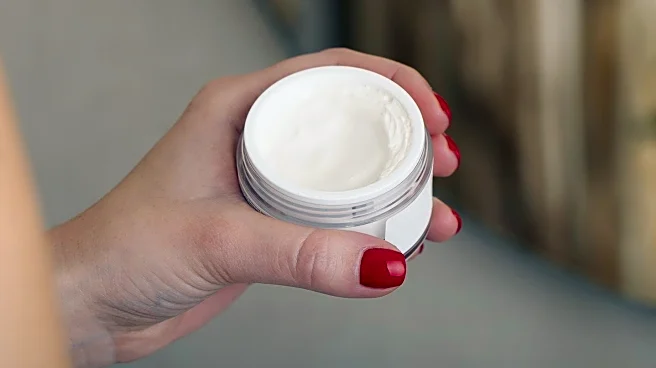




Personal care products are more than just tools for hygiene and beautification; they play a significant role in shaping cultural norms and social behaviors. From influencing beauty standards to impacting environmental practices, these products are deeply intertwined with modern society. This article explores the cultural and social impact of personal care products today.
Beauty Standards and Social Acceptance
Personal care products have a profound influence on beauty standards and social
acceptance. The use of cosmetics and grooming tools is often associated with enhancing one's appearance, which can affect self-esteem and social interactions. In many cultures, maintaining a well-groomed appearance is seen as a sign of respectability and professionalism.
The marketing of personal care products often emphasizes ideals of beauty and perfection, encouraging consumers to aspire to certain looks. This has led to a widespread adoption of grooming practices that align with these ideals, such as shaving, skincare routines, and hair styling. As a result, personal care products have become essential in navigating social expectations and achieving desired aesthetic outcomes.
Environmental and Ethical Considerations
The production and consumption of personal care products have significant environmental and ethical implications. With growing awareness of sustainability, consumers are increasingly demanding products that are eco-friendly and ethically produced. This shift has prompted companies to reevaluate their practices, leading to innovations in packaging, ingredient sourcing, and manufacturing processes.
The European Union's stringent regulations on ingredients reflect a broader trend towards safer and more sustainable products. As consumers become more informed about the environmental impact of their choices, the personal care industry is adapting to meet these demands. This includes the development of biodegradable packaging, cruelty-free testing, and the use of natural ingredients.
Health and Well-being
Personal care products also play a crucial role in promoting health and well-being. Hygiene products like soaps, shampoos, and oral care items are essential for preventing illness and maintaining overall health. The use of skincare products can protect against environmental damage and improve skin health, contributing to a sense of well-being.
Moreover, the ritualistic aspect of personal care routines can provide psychological benefits, offering moments of relaxation and self-care. As people increasingly prioritize mental health, personal care products are seen as tools for achieving balance and mindfulness in daily life.
In conclusion, personal care products are integral to modern society, influencing beauty standards, environmental practices, and health outcomes. As the industry continues to evolve, it reflects changing values and priorities, highlighting the importance of personal care in contemporary life.