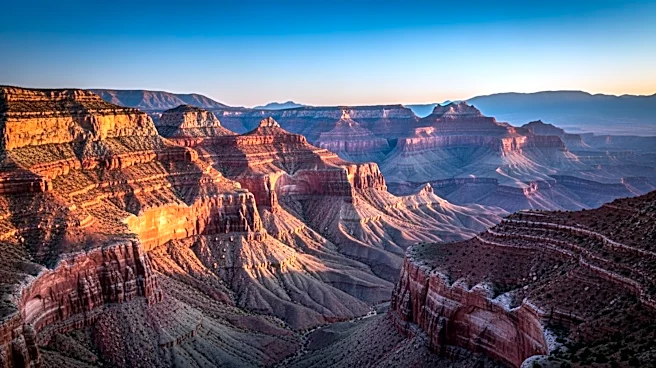








Big Bend National Park is not only a haven for biodiversity but also a geological marvel. The park's landscape tells a story of ancient tectonic activity, volcanic formations, and fossil discoveries. This article explores the geological features that make Big Bend a fascinating destination for geologists and nature enthusiasts alike.
Ancient Tectonic Activity
The geological history of Big Bend National Park is marked by significant tectonic activity. The oldest recorded event
is the Paleozoic Marathon orogeny, which involved the thrusting of rocks from the South American Plate over the North American Plate. This orogenic event is evident in the Persimmon Gap area of the park, showcasing the park's deep geological roots.
During the Triassic and Cretaceous periods, the South American Plate rifted from the North American Plate, leading to the deposition of various limestone formations. These geological processes have left a lasting imprint on the park's landscape, creating a rich tapestry of rock formations that attract geologists from around the world.
Volcanic Formations
The middle Cenozoic era saw the formation of most of the park's volcanic rocks, including the Chisos Group and the Pine Canyon caldera complex. These volcanic formations add to the park's geological diversity, offering a glimpse into the Earth's fiery past.
The park's volcanic history is further highlighted by the Burro Mesa Formation, which showcases the dramatic effects of volcanic activity. These formations not only contribute to the park's rugged beauty but also provide valuable insights into the Earth's geological processes.
Fossil Discoveries
Big Bend National Park is a treasure trove of fossils, offering a window into the prehistoric past. Paleontologists have been working in the park since 1907, uncovering a wealth of fossilized remains. Among the notable discoveries are dinosaur bones, sea fossils, and the remains of ancient marine reptiles.
The park's fossil record spans millions of years, with evidence of underwater ecosystems, delta environments, and terrestrial species. The Javelina Formation, dating back 72-67 million years, is particularly rich in fossils, including those of early mammals and the largest known pterosaur, Quetzalcoatlus.
Preserving Geological Heritage
The National Park Service is committed to preserving Big Bend's geological heritage, ensuring that future generations can continue to explore and learn from the park's unique features. The park's management efforts focus on protecting its geological formations and fossil sites, maintaining the integrity of this natural wonder.
Big Bend National Park stands as a testament to the Earth's dynamic history, offering visitors a chance to explore its geological wonders. From ancient tectonic activity to volcanic formations and fossil discoveries, the park is a living museum of the Earth's past, inviting all to marvel at its natural beauty.