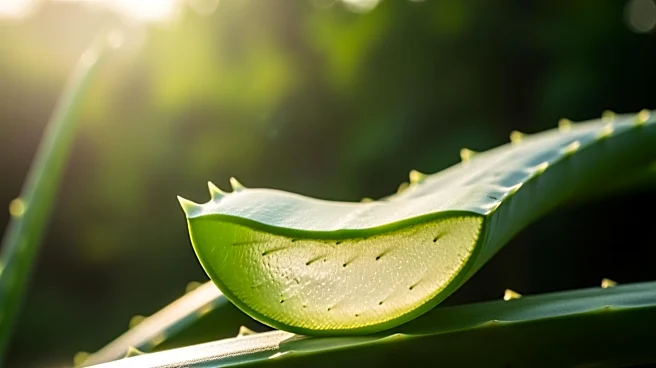








Aloe vera is a fascinating plant species known for its unique botanical characteristics and adaptability. As a member of the genus Aloe, this succulent plant is native to the Arabian Peninsula but has spread across the globe, thriving in various climates. Its ability to grow in diverse environments, coupled with its ornamental appeal, has made Aloe vera a popular choice for both indoor and outdoor cultivation. This article explores the botanical features
and cultivation practices of Aloe vera, highlighting its significance in horticulture.
Botanical Characteristics
Aloe vera is a stemless or short-stemmed plant that can grow up to 100 centimeters tall. Its leaves are thick, fleshy, and green to grey-green in color, often displaying white flecks on their surfaces. The leaf margins are serrated, adorned with small white teeth. These distinctive features make Aloe vera easily recognizable and contribute to its ornamental value.
The plant produces flowers in the summer, which are borne on a spike that can reach up to 90 centimeters in height. Each flower is pendulous, with a yellow tubular corolla measuring 2 to 3 centimeters in length. The vibrant flowers add to the plant's aesthetic appeal, making it a favored choice for gardeners and plant enthusiasts.
Cultivation Practices
Aloe vera is widely cultivated as an ornamental plant, appreciated for its unique form and resilience. It is particularly popular in rockeries and low water-use gardens due to its ability to survive in areas with limited rainfall. The plant is hardy in zones 8 to 11 and is intolerant of heavy frost and snow, making it suitable for warm climates.
When grown in pots, Aloe vera requires well-drained, sandy soil and bright, sunny conditions. Terra cotta pots are recommended for their porosity, which aids in drainage. Potted Aloe vera plants should be allowed to dry completely before rewatering to prevent root rot. During winter, the plant may enter a dormant phase, requiring minimal moisture.
Global Cultivation and Economic Impact
Aloe vera is cultivated on a large scale in countries such as Australia, Cuba, China, Mexico, and the United States. The plant's commercial production is driven by its demand in the cosmetics industry, where it is used as a key ingredient in various products. This global cultivation not only supports the cosmetics sector but also contributes to the economies of the producing countries.
In addition to its economic benefits, Aloe vera cultivation promotes sustainable agricultural practices. The plant's ability to thrive in arid conditions makes it an ideal crop for regions with limited water resources. As a result, Aloe vera cultivation can play a role in environmental conservation efforts by encouraging water-efficient farming techniques.