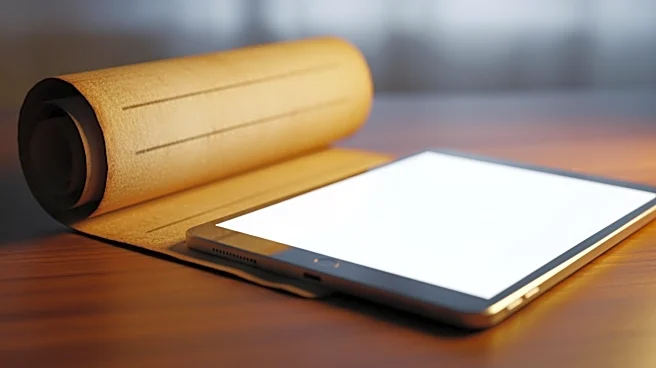





Scrolls have played a significant role in the history of written communication, evolving from ancient record-keeping tools to modern technological applications. Originally crafted from papyrus, parchment, or paper, scrolls were the primary medium for documenting information in ancient civilizations. Over time, their use has transformed, adapting to new cultural and technological contexts.
Ancient Beginnings
The earliest scrolls date back to ancient Egypt, where they
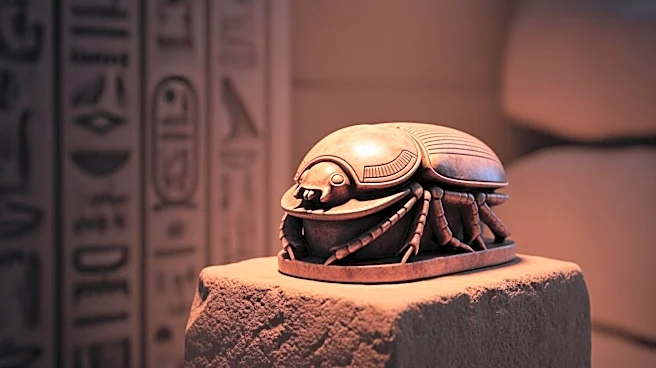
served as the first form of editable record-keeping texts. These scrolls were made from papyrus, a plant-based material that was abundant in the region. The structure of a scroll typically involved sheets of papyrus glued together at the edges, allowing for a continuous roll of writing material. This format was ideal for lengthy documents, as it enabled the recording of extensive information in a compact form.
Scrolls were not limited to Egypt; they were also used by the Israelites and other Eastern Mediterranean civilizations. The ink used for writing on scrolls had to adhere to surfaces that were frequently rolled and unrolled, necessitating the development of special inks. Despite these innovations, the ink would gradually flake off, highlighting the scroll's limitations.
Transition to Codex
The invention of the codex by the Romans marked a significant turning point in the history of written communication. Unlike scrolls, codices consisted of bound pages, making them easier to handle and read. This new format gained popularity around the 1st century AD, eventually surpassing scrolls in favorability. The codex allowed for writing on both sides of a page, reducing the amount of material needed and making it more convenient for readers to access different sections of a text.
Despite the advantages of the codex, scrolls continued to be used for certain purposes, such as religious texts and ceremonial documents. The Jewish Torah scroll, for example, remains a vital part of synagogue rituals, demonstrating the enduring cultural significance of scrolls.
Modern Applications
In contemporary times, the concept of scrolling has been adapted to digital technology. Scrolling in computing refers to the movement of text or images on a screen, allowing users to navigate through large amounts of information. This digital scrolling mimics the physical act of unrolling a scroll, providing a seamless way to access content.
Virtual unfolding techniques have also emerged, enabling the non-destructive reading of damaged or fragile scrolls. This method uses 3D X-ray scans to digitally unroll scrolls, preserving their integrity while making their contents accessible. Such advancements highlight the ongoing relevance of scrolls in both historical preservation and modern technology.
The evolution of scrolls from ancient record-keeping tools to digital applications underscores their adaptability and enduring significance. As technology continues to advance, the legacy of scrolls remains evident in the ways we access and interact with information today.