
Play is a fundamental aspect of preschool education, serving as a crucial tool for learning and development. This article delves into the role of play in preschool settings, examining how it contributes
to cognitive, social, and emotional growth in young children.
Cognitive Development Through Play
Play is instrumental in fostering cognitive development in preschoolers. Through play-based activities, children engage in problem-solving, critical thinking, and creativity. These activities often involve exploring their environment, experimenting with different materials, and engaging in imaginative scenarios.
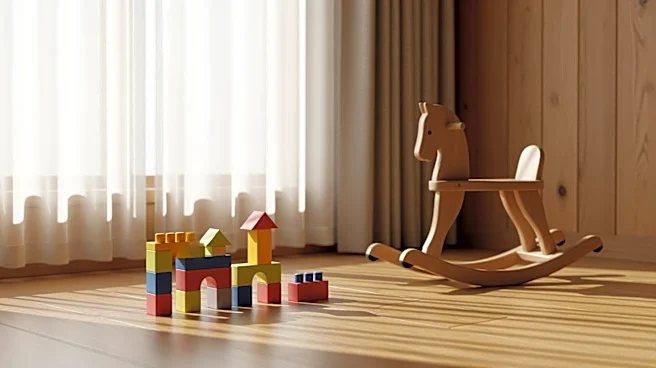
For instance, building blocks or puzzles help children develop spatial awareness and logical reasoning. Role-playing games, such as pretending to be a doctor or a teacher, encourage children to think abstractly and understand different perspectives. These experiences lay the foundation for more complex cognitive skills as children grow.
Social and Emotional Growth
In addition to cognitive benefits, play is essential for social and emotional development. Preschool provides a unique environment where children interact with peers, learning to communicate, share, and collaborate. These interactions are crucial for developing social skills and emotional intelligence.
Through play, children learn to navigate social dynamics, resolve conflicts, and express their emotions appropriately. Activities like group games or cooperative projects teach children the value of teamwork and empathy. These skills are vital for building healthy relationships and adapting to various social settings.
The Importance of a Play-Based Curriculum
A play-based curriculum is central to many preschool programs, emphasizing the importance of child-led exploration and discovery. This approach allows children to learn at their own pace, guided by their interests and curiosity. Teachers facilitate this process by providing a supportive environment and offering diverse materials and activities.
Research suggests that high-quality preschools prioritize play over formal instruction, recognizing its role in holistic development. Play-based learning encourages children to take initiative, make decisions, and develop a love for learning. It also helps them build resilience and adaptability, preparing them for future academic and life challenges.
In conclusion, play is a vital component of preschool education, offering numerous benefits for young children's development. By fostering cognitive, social, and emotional growth, play prepares children for a successful transition to formal schooling and beyond. As such, it remains a cornerstone of effective early childhood education programs.