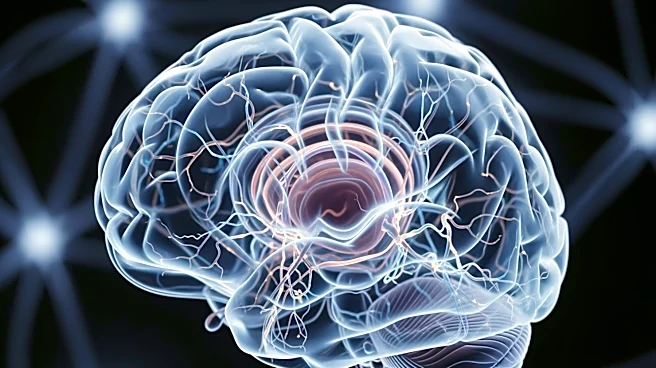

Operant conditioning, developed by B.F. Skinner, is a fundamental concept in behaviorism that explains how behaviors are learned and modified through reinforcement and punishment. This approach has been
instrumental in shaping our understanding of behavior and has applications in various fields, including psychology, education, and animal training. Skinner's work on operant conditioning has provided valuable insights into the mechanisms of learning and behavior change.
Principles of Operant Conditioning
Operant conditioning is based on the idea that behaviors are influenced by their consequences. Skinner identified two types of reinforcement: positive and negative. Positive reinforcement involves adding a pleasant stimulus to increase the likelihood of a behavior, while negative reinforcement involves removing an unpleasant stimulus to strengthen a behavior. Both types of reinforcement serve to increase the probability of a behavior reoccurring.
Skinner also distinguished between reinforcement and punishment. Punishment aims to reduce unwanted behavior by introducing an aversive stimulus or removing a desirable one. However, Skinner argued that punishment is less effective than reinforcement in changing behavior, as it often leads to temporary suppression rather than lasting modification.
Applications in Education and Therapy
Operant conditioning has been widely applied in educational settings to promote learning and behavior change. Skinner advocated for the use of positive reinforcement in teaching, suggesting that it encourages students to engage in desired behaviors. Teaching machines and programmed learning, inspired by Skinner's theories, provide immediate feedback and reinforcement to students, enhancing their learning experience.
In therapy, operant conditioning techniques are used to modify maladaptive behaviors. Behavior modification programs often involve identifying the antecedents and consequences of a behavior and implementing reinforcement strategies to encourage positive change. These techniques have been effective in treating various psychological disorders, including phobias and addiction.
Influence on Animal Training
Skinner's principles of operant conditioning have also been applied to animal training. Trainers use reinforcement to shape desired behaviors in animals, such as teaching a dog to sit or a dolphin to perform tricks. Positive reinforcement, such as treats or praise, is used to encourage animals to repeat behaviors that lead to rewards.
The use of operant conditioning in animal training highlights the versatility of Skinner's approach. By understanding the relationship between behavior and consequences, trainers can effectively teach animals new skills and modify existing behaviors. Skinner's work has paved the way for more humane and effective training methods.