





The 1950 FIFA World Cup was unlike any other in the history of the tournament, featuring a unique format that culminated in a dramatic final match between Uruguay and Brazil. This edition of the World Cup did not have a knockout stage or a single final match, but instead used a round-robin format in the final group stage to determine the champion. This approach set the stage for one of the most memorable moments in football history.
The Round-Robin Format
In the 1950 World
Cup, the final stage consisted of a group of four teams: Brazil, Uruguay, Spain, and Sweden. These teams played against each other in a round-robin format, with the team accumulating the most points declared the winner. Brazil entered the final match against Uruguay with a one-point lead, having won their previous matches against Sweden and Spain with large margins.
Uruguay, meanwhile, had a more challenging path, drawing with Spain and narrowly defeating Sweden. Despite Brazil's dominant performance throughout the tournament, the round-robin format meant that Uruguay still had a chance to win the championship by defeating Brazil in their final match. This setup created a high-stakes environment, as the outcome of the match directly determined the World Cup winner.
The Decisive Match
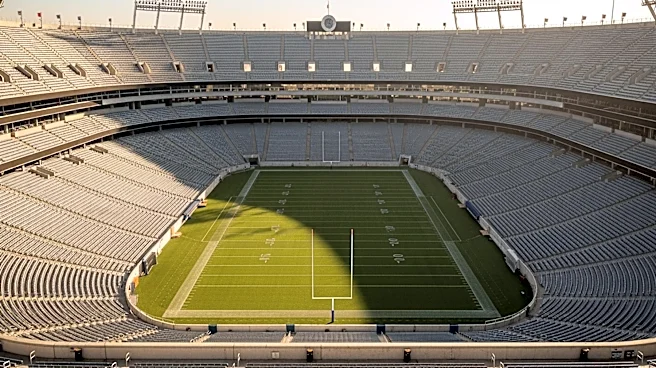
The final match between Brazil and Uruguay took place at the Maracanã Stadium in Rio de Janeiro, with Brazil needing only a draw to secure the title. The Brazilian team was confident, having scored 21 goals in five games prior to facing Uruguay. However, Uruguay's captain, Obdulio Varela, inspired his team to play without fear, challenging the Brazilian dominance.
Brazil took the lead shortly after halftime, but Uruguay equalized and eventually scored the winning goal with 11 minutes remaining. The unexpected victory of Uruguay over Brazil, known as the Maracanazo, was a testament to the unpredictability of the round-robin format. The match was attended by a record-breaking crowd, highlighting the intense interest and anticipation surrounding the tournament.
Impact and Legacy
The 1950 World Cup's unique format had a lasting impact on the tournament's history. It was the only World Cup to date without a knockout final, and the dramatic conclusion of the round-robin stage remains a defining moment in football. The Maracanazo became a symbol of the underdog's triumph and the emotional highs and lows of the sport.
The format of the 1950 World Cup demonstrated the potential for unexpected outcomes and the importance of every match in determining the champion. It also set a precedent for future tournaments, influencing the structure and organization of international football competitions.