


Food processors have transformed the culinary landscape, offering a versatile solution for various meal preparation tasks. These appliances are designed to facilitate repetitive tasks, making cooking more efficient and enjoyable. This article explores the diverse functions of food processors and their impact on modern kitchens.
Multifunctional Capabilities
Food processors are known for their ability to perform multiple functions, making them a valuable addition to any kitchen.
Unlike blenders, which require liquid to blend food, food processors can chop, dice, and slice with little to no liquid. This feature allows for the creation of textured dishes, enhancing the culinary experience.
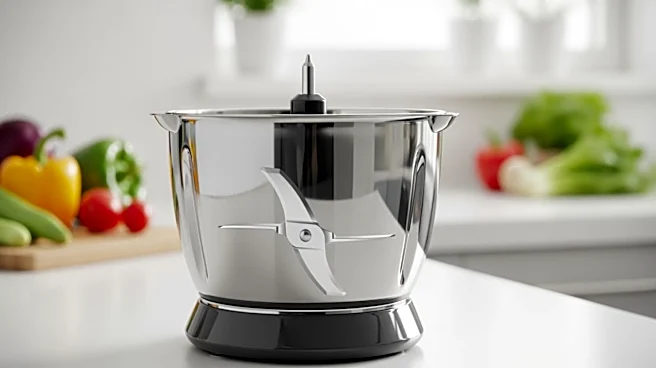
The standard accessory for chopping is the knife blade, which is essential for preparing ingredients quickly. Food processors often come with additional blades for shredding and slicing, expanding their functionality. Some models include blender and juicer attachments, enabling them to perform tasks typically reserved for other appliances. This versatility makes food processors a one-stop solution for various cooking needs.
Tackling Challenging Tasks
Food processors are equipped to handle more demanding tasks, such as kneading stiff doughs, chopping raw carrots, and shredding hard cheese. These tasks require a powerful motor, which is a hallmark of high-quality food processors. The ability to perform these challenging tasks efficiently saves time and effort in the kitchen.
The appliance's design allows for quick and easy meal preparation, making it ideal for busy individuals and families. Whether you're preparing a simple salad or a complex dish, a food processor can streamline the process, allowing you to focus on creativity and flavor.
Enhancing Culinary Creativity
The versatility of food processors extends beyond basic meal preparation. They enable home cooks and professional chefs to experiment with new recipes and techniques. From creating smooth purées to crafting intricate sauces, food processors open up a world of culinary possibilities.
By reducing the time spent on manual tasks, food processors allow cooks to focus on the art of cooking. This shift from labor-intensive preparation to creative exploration has transformed the culinary landscape, encouraging innovation and experimentation in the kitchen.
In conclusion, food processors are more than just appliances; they are essential tools that enhance the cooking experience. Their multifunctional capabilities and ability to tackle challenging tasks make them a versatile companion in any kitchen. As culinary creativity continues to evolve, food processors remain at the forefront, empowering cooks to explore new flavors and techniques.