


Rosacea is a long-term skin condition that primarily affects the face, causing redness, pimples, swelling, and small dilated blood vessels. While the exact cause of rosacea remains unknown, several factors are believed to contribute to its onset and exacerbation. This article delves into the symptoms, types, and triggers of rosacea, providing a comprehensive overview of this common dermatological issue.
Symptoms and Common Areas Affected
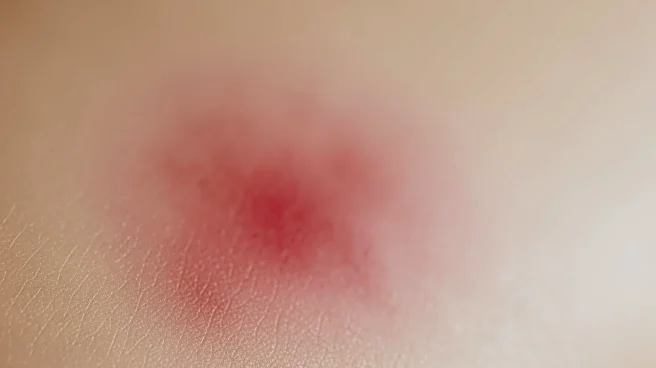
Rosacea typically manifests as facial redness,
swelling, and visible blood vessels, often affecting the nose, cheeks, forehead, and chin. In severe cases, it can lead to rhinophyma, a condition characterized by a red, enlarged nose. The symptoms can vary depending on age and sex, with younger individuals experiencing flushing and red swollen patches, while older individuals may have visible dilated blood vessels. Men are more likely to experience swelling of the nose.
In addition to redness, rosacea can cause papules and pustules, which are small lumps on the skin. Many people with rosacea report stinging or burning sensations, and in rare cases, itching. These symptoms can be triggered or worsened by various factors, making it essential for individuals to identify and manage their specific triggers.
Types of Rosacea
Rosacea is classified into four main types: erythematotelangiectatic, papulopustular, phymatous, and ocular. Erythematotelangiectatic rosacea, also known as vascular rosacea, is characterized by prolonged flushing reactions to stimuli such as emotional stress, hot drinks, alcohol, spicy foods, exercise, and temperature extremes.
Papulopustular rosacea involves the presence of papules and pustules, often accompanied by redness. Phymatous rosacea leads to thickened skin and enlargement of facial features, particularly the nose. Ocular rosacea affects the eyes, causing symptoms like dryness, irritation, and redness.
Triggers and Risk Factors
The exact cause of rosacea is unknown, but several factors are believed to contribute to its development and exacerbation. Family history is considered a risk factor, and certain triggers can worsen the condition. Common triggers include exposure to temperature extremes, strenuous exercise, sunlight, spicy foods, alcohol, menopause, psychological stress, and the use of steroid creams on the face.
Medications and topical irritants can also trigger rosacea flares. Some acne and wrinkle treatments, such as microdermabrasion and chemical peels, have been reported to cause rosacea. Additionally, high dosages of isotretinoin, benzoyl peroxide, and tretinoin can exacerbate the condition.
Understanding these triggers and risk factors is crucial for managing rosacea effectively. By identifying and avoiding specific triggers, individuals can reduce the frequency and severity of flare-ups, improving their quality of life.