

Cooling down after exercise is a crucial part of any workout routine, yet it often goes overlooked. This process involves transitioning from intense physical activity to a more typical activity level, such as walking or slow jogging. While the immediate benefits might not be as apparent as those of the workout itself, cooling down plays a significant role in maintaining overall health and preventing potential issues.
The Role of Cooling Down in Heart Rate Regulation
One of the primary functions of cooling
down is to allow the heart rate to gradually return to its resting state. During exercise, the heart pumps more vigorously to supply muscles with oxygen-rich blood. Abruptly stopping exercise can cause blood to pool in the peripheral veins, particularly those within the muscles, leading to dizziness or even fainting. By engaging in a cool-down routine, the heart rate decreases steadily, helping to maintain blood pressure and prevent these adverse effects.
Moreover, the skeletal-muscle pump, which assists in returning blood to the heart, benefits from a gradual decrease in activity. This process helps in maintaining cardiac output and ensures that the body is adequately oxygenated. Although the effectiveness of cooling down in reducing the risk of fainting is not definitively proven, it is widely promoted for its potential benefits.
Cooling Down Techniques and Their Benefits
Effective cooling down involves a gradual reduction in exercise intensity. This can be achieved through activities like walking, jogging slowly, or even walking in a swimming pool. The duration of a cool-down session can vary, but 3 to 10 minutes is generally adequate for most people. These activities should be enjoyable and performed at an easy or moderate level to avoid additional strain on the muscles.
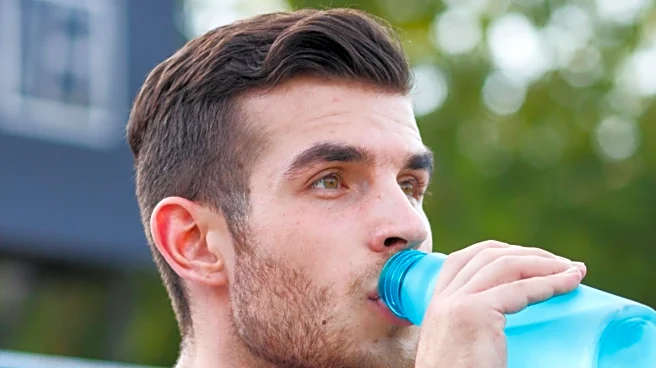
In addition to active cool-downs, passive methods such as sitting, lying down, or using a sauna can also be employed. Rehydration is another essential component of cooling down, as it helps replenish fluids lost during exercise. Consuming water or electrolyte-rich drinks can aid in maintaining hydration levels and support recovery.
The Impact of Cooling Down on Muscle Soreness and Injury Prevention
While cooling down is often associated with reducing muscle soreness and preventing injuries, its effectiveness in these areas is still debated. Active cool-downs generally do not have a significant impact on delayed-onset muscle soreness. However, some athletes report feeling subjectively better after a cool-down session.
Stretching is a common component of cooling down, aimed at increasing flexibility and reducing muscle stiffness. Although stretching does not appear to improve short-term muscle stiffness or range of motion, it remains a popular practice among athletes. Ultimately, the benefits of cooling down may vary from person to person, but its role in promoting overall well-being and aiding recovery is undeniable.