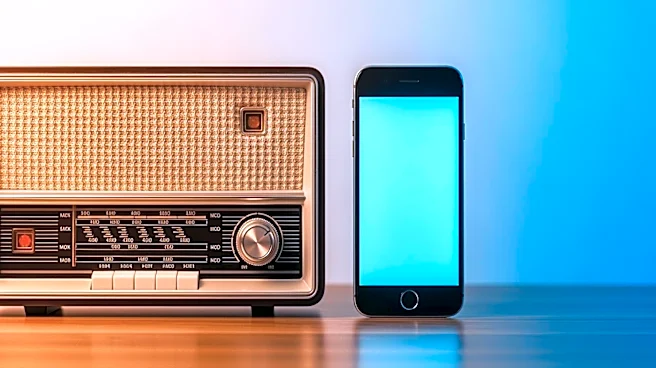







Media influence has been a significant force in shaping public opinion and behavior throughout history. From the early days of radio and film to the modern digital age, the impact of media has evolved dramatically. This article explores the historical development of media influence, highlighting key phases and changes over time.
Early 20th Century: The Power of Media Effects
In the early 20th century, the advent of mass media technologies like radio and film brought about a new era of media influence.
These technologies were credited with having an almost irresistible power to mold audience beliefs and behaviors. The assumption was that audiences were passive and homogeneous, easily swayed by media messages. This period saw the rise of propaganda techniques, especially during wartime, as governments used media to unite their people. The hypodermic needle model, or magic bullet theory, emerged during this time, suggesting that media messages were directly injected into the audience's consciousness, leading to uniform and powerful effects.
Mid-20th Century: Limited Media Effects
By the 1930s, researchers began to challenge the notion of all-powerful media effects. Studies like the Payne Fund studies in the United States focused on the media's impact on young people, revealing the complex nature of media effects. Researchers found that media influence was not uniform but varied based on individual differences and social contexts. The two-step flow of communication theory emerged, suggesting that media effects were indirect, with opinion leaders mediating the influence of media messages. This phase highlighted the importance of empirical research and the role of intervening variables in understanding media effects.
Late 20th Century to Present: Rediscovered Powerful Media Effects
In the late 20th century, the rise of television and the realization of long-term media effects led to a renewed interest in the power of media. The agenda-setting theory and cultivation theory emerged, emphasizing the media's role in shaping public perceptions and social realities. Researchers recognized that media messages could have profound long-term effects, influencing cultural patterns and social ideologies. The new media environment, characterized by digital technologies and social media, has further transformed media influence. Today, individuals are both consumers and creators of media content, leading to a more dynamic and interactive media landscape.
The evolution of media influence reflects the changing nature of media technologies and the growing complexity of media effects. As media continues to develop, understanding its influence on society remains a critical area of study.