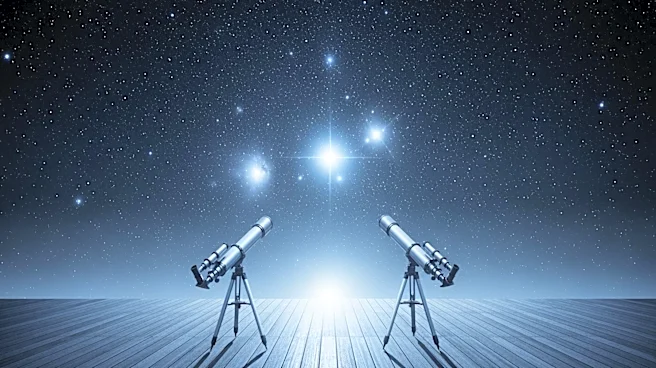


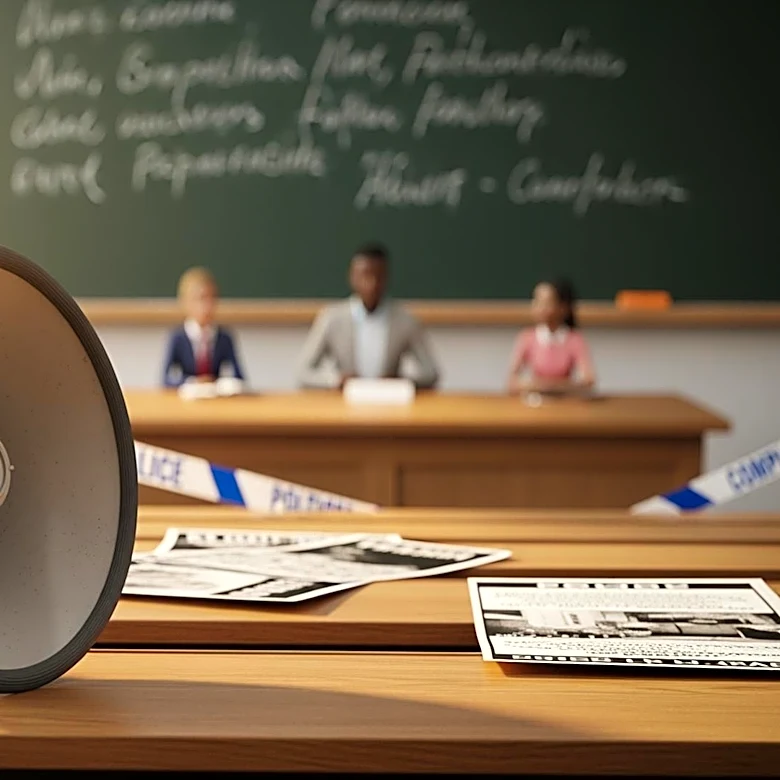



The Great Debate of 1920, also known as the Shapley-Curtis Debate, marked a pivotal moment in the field of astronomy. Held at the U.S. National Museum in Washington, D.C., this debate between Harlow Shapley and Heber Curtis addressed the nature of spiral nebulae and the size of the universe. The event not only highlighted differing views on the structure of the cosmos but also set the stage for future astronomical discoveries.
The Debate's Context and Participants
The early 20th century
was a time of significant change and discovery in astronomy. The universe's structure and the nature of spiral nebulae were hotly debated topics. Harlow Shapley, an astronomer known for his work on the size of the Milky Way, argued that spiral nebulae were part of our galaxy. He believed the Milky Way was the entirety of the universe, a view that placed the Sun far from the center of this vast system.
On the other side of the debate was Heber Curtis, who proposed that these nebulae were actually independent galaxies, or "island universes," far beyond the Milky Way. Curtis's view suggested a much larger universe filled with numerous galaxies, each similar in size and nature to our own. This perspective challenged the prevailing notion of a universe centered around the Milky Way.
The Debate's Proceedings and Arguments
The debate took place during a meeting of the National Academy of Sciences, with each astronomer presenting their case in a 40-minute lecture. Shapley, working from a typed script, provided a general introduction to astronomy before detailing his views on the universe's size. He emphasized the vastness of the Milky Way, arguing that the spiral nebulae were merely objects on its outskirts.
Curtis, using photographic slides, countered Shapley's arguments by highlighting the presence of more novae in the Andromeda nebula than in the Milky Way. He questioned why there would be more novae in one small section of the Milky Way if Andromeda were not a separate galaxy. Curtis also pointed out the large radial velocities of spiral nebulae, suggesting they could not be gravitationally bound to the Milky Way.
The Aftermath and Legacy
Although the debate did not produce a definitive winner at the time, it laid the groundwork for future discoveries. Edwin Hubble's later work confirmed Curtis's view, showing that Andromeda was indeed a separate galaxy. This revelation expanded the known universe and shifted the focus of astronomical research.
The Great Debate is remembered as a significant event that spurred further exploration and understanding of the cosmos. It highlighted the importance of questioning established beliefs and paved the way for the development of extragalactic astronomy. Today, the debate serves as a reminder of the dynamic and ever-evolving nature of scientific inquiry.