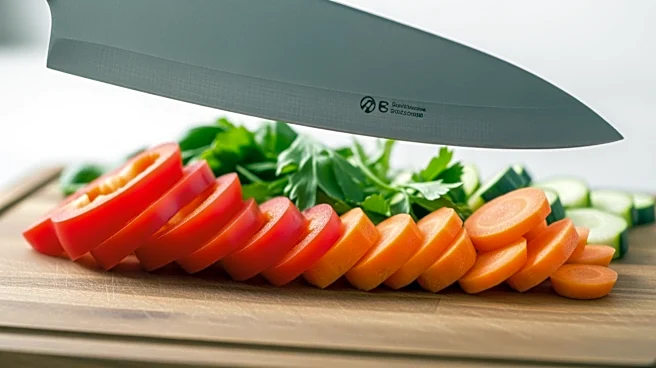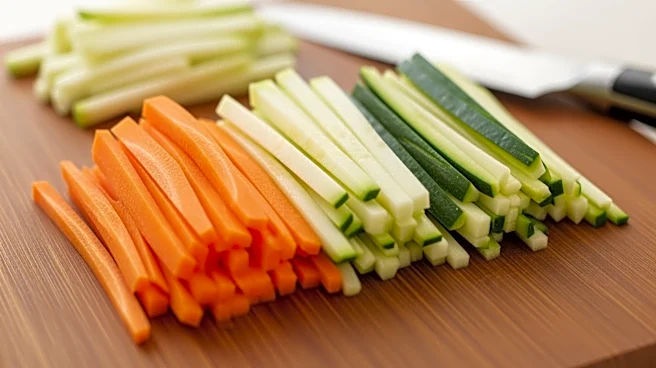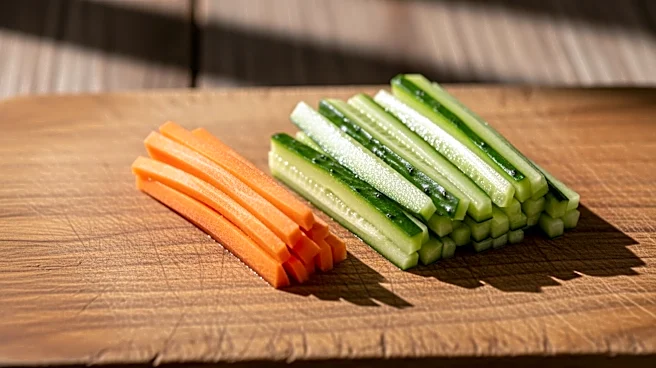





Mincing is a culinary technique that involves cutting ingredients into small, uniform pieces. It is a fundamental process in food preparation, essential for creating dishes with delicate textures and evenly distributed flavors. Over the centuries, various techniques and tools have been developed to achieve the perfect mince, from traditional methods using knives to modern machines. This article explores the art of mincing, highlighting the techniques and tools that have shaped
this essential culinary practice.
Traditional Mincing Techniques
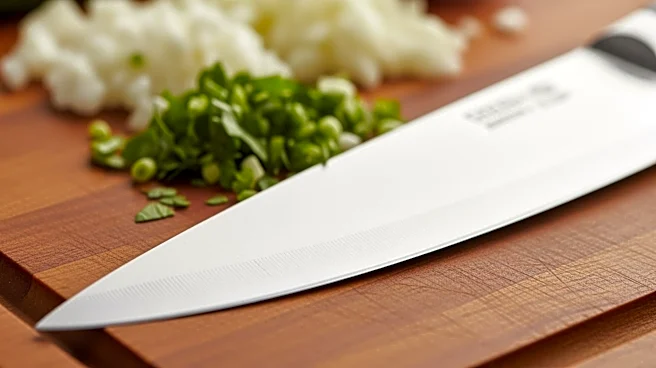
For centuries, mincing was a manual process that required skill and precision. Cooks used kitchen knives to finely chop ingredients, ensuring they were uniform in size. The mezzaluna, a multi-bladed, double-handled chopper, was also commonly used. Its name, Italian for "half moon," reflects its curved shape, which allowed for efficient chopping. In French, this tool is known as an hachoir.
The technique of mincing dates back to at least 1381, as evidenced by historical texts. The Anglo-Norman and Old French term "mincer" or "mincier" referred to cutting food into small pieces. This method was crucial for preparing dishes that required a delicate texture, such as pâtés and certain sauces. The precision of manual mincing ensured that flavors were evenly distributed throughout the dish.
The Rise of Mincing Machines
The invention of the meat grinder in the 1850s marked a significant turning point in the history of mincing. Described by Scientific American as a "cutting or mincing machine," it operated using cylinders with tapering grooves. The first mincers were hand-cranked, allowing cooks to feed meat or other foods into the top aperture. The food was then propelled through grinders and emerged as mince through a die at the outlet.
Electrically powered mincers have since become available, further enhancing the efficiency of the mincing process. Professional mincers offer dies of varying sizes, while most domestic models have two: one for coarse grinding and another for fine mincing. For particularly fine mincing, food may need to be processed twice. The meat grinder has transformed the culinary landscape, making it easier to prepare dishes that require finely minced ingredients.
Choosing the Right Tool for Mincing
The choice of tool for mincing depends on the desired texture and the quantity of ingredients to be processed. For small quantities and delicate textures, manual methods using knives or mezzalunas may be preferred. These tools allow for precise control over the size and uniformity of the mince, which is important for certain recipes.
For larger quantities or when speed is a priority, mincing machines are the preferred option. They offer consistency and efficiency, making it easier to prepare large batches of minced ingredients. The machines also allow for precise control over the texture of the mince, which is important for dishes that require a specific consistency.
Overall, the art of mincing is a testament to the creativity and innovation of culinary practices. From traditional methods to modern machines, each technique and tool has contributed to the rich tapestry of food preparation methods we enjoy today.