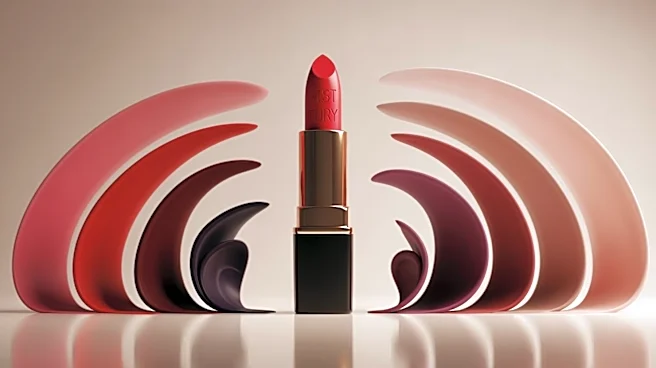


Lipstick is more than just a cosmetic product; it carries cultural and symbolic meanings that vary across different societies and historical periods. The color of lipstick, in particular, can convey a wide range of messages, from sensuality to rebellion. This article delves into the cultural significance of various lipstick colors and how they have been perceived throughout history.
Red Lipstick: A Symbol of Sensuality and Independence
Red lipstick has long been associated with sensuality and women's
independence. Its bold and striking appearance has made it a favorite among those looking to make a statement. Historically, red lipstick was worn by women in ancient Egypt to signify social status, and it continued to be a symbol of power and allure in the Western world.
In the 20th century, red lipstick became a symbol of female empowerment, particularly during the 1920s when flappers used it to assert their independence. The color was further popularized by Hollywood icons like Marilyn Monroe and Elizabeth Taylor, who made red lips synonymous with glamour and confidence. Today, red lipstick remains a timeless classic, often associated with strength and boldness.
Black Lipstick: Embracing Alternative Subcultures
Black lipstick, on the other hand, is often associated with alternative subcultures such as punk and goth. Unlike the traditional red, black lipstick challenges conventional beauty standards and is used as a form of self-expression. It is worn by both men and women who identify with these subcultures, symbolizing rebellion and nonconformity.
The popularity of black lipstick can be traced back to the late 1970s and 1980s, when it was embraced by musicians and artists within the punk and goth scenes. It has since become a staple in alternative fashion, representing a departure from mainstream aesthetics. Black lipstick continues to be a powerful tool for those looking to express their individuality and challenge societal norms.
The Rise of Unconventional Colors
In recent years, the range of lipstick colors has expanded to include unconventional shades such as blue, green, and purple. These colors are often used to make a bold fashion statement and are popular among those who enjoy experimenting with their appearance. The rise of social media and beauty influencers has further fueled the popularity of these unique shades, making them more accessible and accepted.
Unconventional lipstick colors allow individuals to express their creativity and push the boundaries of traditional beauty standards. They serve as a reminder that makeup is not just about enhancing one's appearance but also about embracing one's unique identity and personal style.