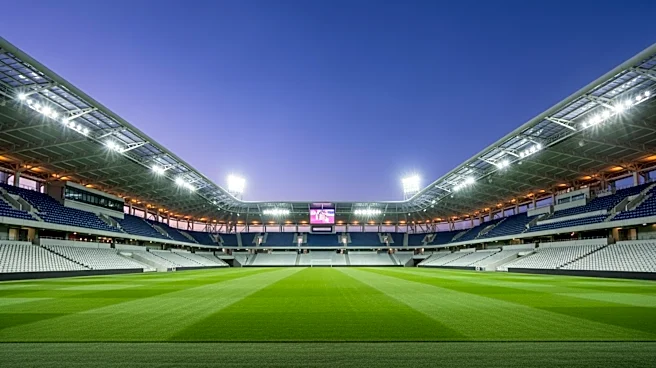




Stade de Gerland in Lyon, France, is not just a stadium; it is a venue that has hosted some of the most memorable sporting and cultural events in history. From international football tournaments to legendary concerts, the stadium has been a focal point for both sports enthusiasts and music lovers. This article delves into the iconic events that have taken place at Stade de Gerland, highlighting its significance as a premier venue.
Major Sporting Events
Stade de Gerland
has been a key venue for several major international sporting events. It was one of the host stadiums for the 1954 and 1972 Rugby League World Cups. The 1972 final, in particular, was a memorable match between Great Britain and Australia, despite the low attendance. The game featured notable moments, such as Clive Sullivan's long-distance try for Great Britain and the controversial disallowed try by Australia's Graeme Langlands.
The stadium also played a significant role in the 1998 FIFA World Cup, hosting several matches, including the memorable "game of peace" between the United States and Iran. This match was notable not only for its sporting significance but also for its diplomatic implications, as it brought together two nations with strained relations.
Cultural and Musical Events
Beyond sports, Stade de Gerland has been a popular venue for concerts by world-renowned artists. The stadium has hosted performances by The Rolling Stones, Michael Jackson, David Bowie, Pink Floyd, and Genesis, among others. These concerts have drawn massive crowds, showcasing the stadium's capacity to host large-scale entertainment events.
The versatility of Stade de Gerland as a venue for both sports and music highlights its cultural significance in Lyon. It has become a place where people gather not only to watch sports but also to enjoy live music performances, making it a central part of the city's cultural life.
A Legacy of Memorable Moments
Stade de Gerland's legacy is built on the memorable moments it has hosted over the years. From thrilling sports matches to unforgettable concerts, the stadium has been a backdrop for events that have left a lasting impact on those who attended. Its ability to adapt to different types of events has ensured its continued relevance as a venue.
In conclusion, Stade de Gerland is more than just a stadium; it is a venue that has played host to some of the most iconic events in sports and music. Its rich history of hosting major events has cemented its status as a landmark in Lyon, attracting visitors from around the world to experience its unique atmosphere.