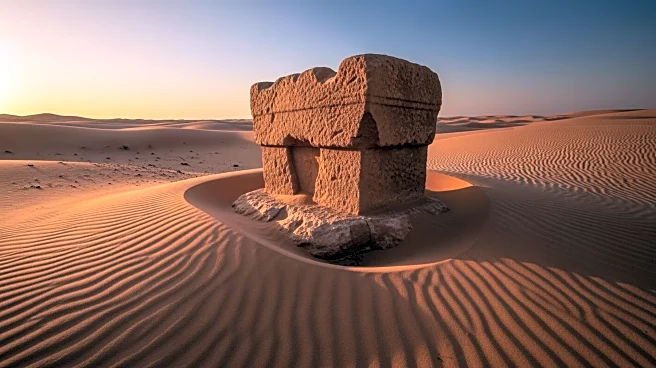

The Gran Desierto de Altar, part of the Sonoran Desert in Mexico, has a rich human history that dates back thousands of years. This region, now a UNESCO World Heritage Site, has been home to various indigenous cultures that have adapted to its harsh environment. The historical inhabitants of the Gran Desierto de Altar provide a fascinating glimpse into the cultural significance of this unique desert landscape.
The San Dieguito People
The earliest known inhabitants of the
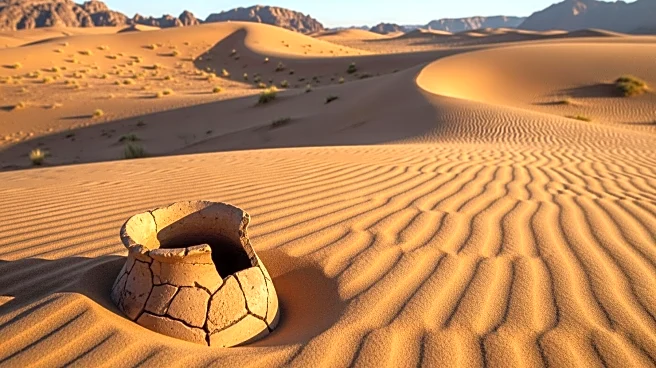
Gran Desierto de Altar were the San Dieguito people, who lived as hunter-gatherers. They moved between the mountains and the Gulf of California in search of food, relying on the land's resources for survival. The San Dieguito culture thrived during the pre-Columbian era, leaving behind traces of their presence in the form of stone tools and potsherds.
The San Dieguito people experienced two major stages of occupation in the region. The first stage ended about 20,000 years ago due to drought conditions during the ice age. The second stage began in the late glacial period, with the group returning to the mountains. This stage ended 9,000 years ago with the arrival of an antipyretic period, forcing them to leave once again.
The Pinacateño Band of the Hia C-ed O'odham
The most recent indigenous inhabitants of the Gran Desierto de Altar are the Pinacateño band of the Hia C-ed O'odham. Like their predecessors, the Pinacateños roamed the desert and mountains in search of food, concentrating their camps near reliable water sources known as tinajas.
The Pinacateños left signs of their presence throughout the region, including a network of paths connecting tinajas and various artifacts. Their cultural practices and adaptations to the desert environment reflect a deep connection to the land and its resources.
European Exploration and Cultural Impact
European exploration of the Gran Desierto de Altar began in the 16th century, with Melchior Díaz possibly being the first European to see the Sierra Pinacate. In 1698, the priest Eusebio Kino visited the site and climbed to the top of El Pinacate, naming it Santa Clara Hill.
The arrival of Europeans marked a significant cultural shift in the region, as indigenous practices and traditions were influenced by new interactions. The historical legacy of the Gran Desierto de Altar continues to be a source of cultural and archaeological interest, offering insights into the diverse human history of the Sonoran Desert.