


Tourism in Oman has seen remarkable growth since the early 2000s, transforming into one of the nation's largest industries. This shift has not only attracted millions of visitors but also significantly impacted the country's economy and global standing. In 2019, Oman welcomed approximately 4.1 million tourists, a substantial increase from previous years. This article explores the factors contributing to this growth and the implications for Oman's
future.
Economic Impact of Tourism
The expansion of tourism in Oman has been a key driver of economic growth. As the industry grew, it created numerous job opportunities and stimulated various sectors, including hospitality, transportation, and retail. The influx of tourists has led to increased demand for services and infrastructure, prompting investments in hotels, resorts, and cultural sites.
Moreover, tourism has diversified Oman's economy, reducing its reliance on oil revenues. By attracting international visitors, Oman has tapped into new revenue streams, boosting its GDP and enhancing its economic resilience. The government's strategic focus on tourism as part of its Vision 2040 plan underscores its importance in the nation's economic future.
Cultural and Natural Attractions
Oman's rich cultural heritage and stunning natural landscapes have been pivotal in attracting tourists. The capital city, Muscat, was named the best city to visit in the world by Lonely Planet in 2012, highlighting its appeal. Visitors are drawn to Oman's historical sites, such as forts and museums, which offer a glimpse into the country's past.
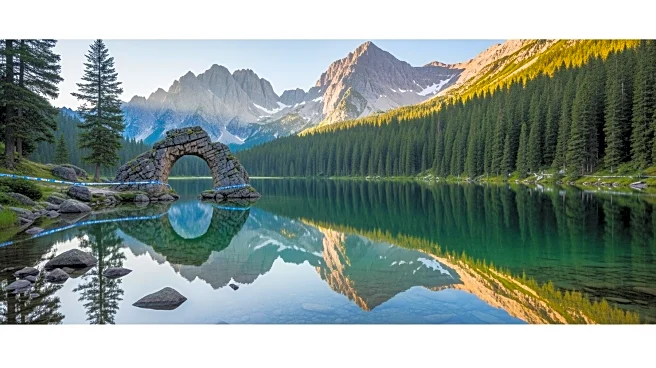
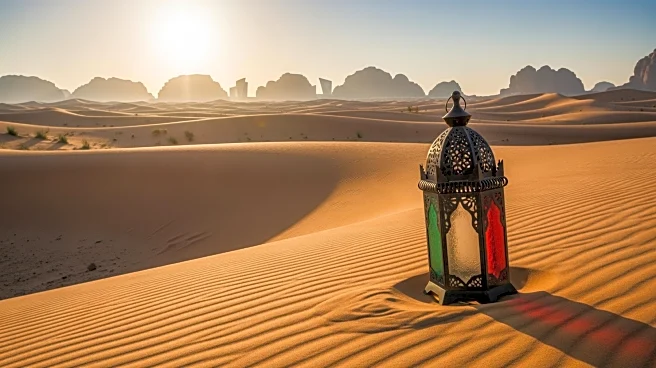
Natural attractions, including beaches, deserts, and mountains, provide unique experiences for adventure seekers. Activities like kitesurfing, desert safaris, and caving are popular among tourists, showcasing Oman's diverse offerings. The country's commitment to preserving its natural beauty while promoting tourism has been a key factor in its success.
Future Prospects and Challenges
Looking ahead, Oman faces both opportunities and challenges in sustaining its tourism growth. The government's continued investment in infrastructure and marketing will be crucial in maintaining momentum. Additionally, adapting to changing global travel trends and ensuring sustainable practices will be vital.
However, challenges such as geopolitical tensions and global economic fluctuations could impact visitor numbers. Oman must navigate these uncertainties while capitalizing on its strengths to remain a competitive destination. By fostering innovation and enhancing visitor experiences, Oman can continue to thrive as a leading tourism hub.