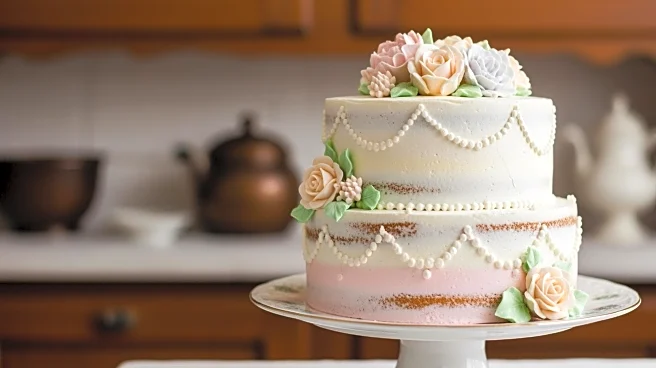

The Lady Baltimore cake is a classic dessert that has captured the hearts of many with its unique combination of flavors and textures. This white layer cake, filled with fruit and nuts and topped with meringue
frosting, is a staple of Southern cuisine. Its origins, however, are somewhat shrouded in mystery, with various accounts attributing its creation to different sources. This article delves into the history and evolution of the Lady Baltimore cake, tracing its journey from its inception to its place in modern culinary culture.
Early Beginnings
The Lady Baltimore cake is believed to have originated in the early 20th century, although the exact details of its creation are disputed. It is often associated with the Ottolengui sisters, Florrie and Nina, who managed the Women's Exchange Tea tearoom. The sisters are credited with developing the cake, which quickly gained popularity in Charleston, South Carolina. The cake's unique combination of white layers, fruit, and nuts, along with its meringue frosting, set it apart from other desserts of the time.
Despite its association with the Ottolengui sisters, some accounts suggest that the cake may have been inspired by a novel. The book "Lady Baltimore," written by Owen Wister in 1906, features a cake of the same name, which may have contributed to the dessert's fame. However, whether the cake was named after the book or vice versa remains a topic of debate among culinary historians.
Cultural Significance
The Lady Baltimore cake quickly became a symbol of Southern hospitality and elegance. Its intricate preparation and rich flavors made it a popular choice for special occasions, such as weddings and holiday gatherings. The cake's association with the South further cemented its status as a regional delicacy, with many families passing down their own versions of the recipe through generations.
Over time, the Lady Baltimore cake has become a beloved part of Southern culinary tradition. Its presence at social events and celebrations highlights its enduring appeal and cultural significance. The cake's ability to bring people together and create lasting memories is a testament to its place in the hearts of those who enjoy it.
Modern Adaptations
Today, the Lady Baltimore cake continues to be a popular dessert, with many modern bakers putting their own spin on the classic recipe. While the traditional version remains a favorite, variations have emerged that incorporate different fruits, nuts, and flavorings. These adaptations allow bakers to experiment with new combinations while still honoring the cake's rich history.
The Lady Baltimore cake's evolution over the years demonstrates its versatility and timeless appeal. As new generations discover and enjoy this classic dessert, its legacy continues to grow, ensuring that the Lady Baltimore cake remains a cherished part of Southern culinary heritage.