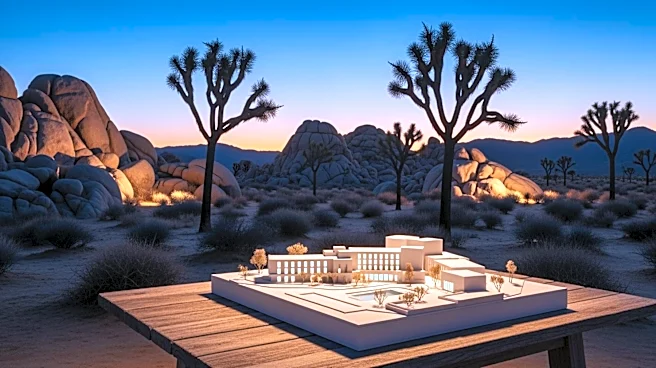





Joshua Tree National Park is not only a natural wonder but also a place rich in history. The park features six historic sites listed on the National Register of Historic Places, each offering a glimpse into the past and the stories of those who once inhabited this rugged landscape. These sites provide visitors with a deeper understanding of the park's cultural and historical significance.
Barker Dam and Cow Camp
Barker Dam is one of the most well-known historic sites in Joshua
Tree National Park. Built by early cattlemen, the dam was constructed to provide a reliable water source for their herds. Today, it stands as a testament to the ingenuity and perseverance of those who sought to make a living in the harsh desert environment. Visitors to Barker Dam can explore the area and imagine what life was like for the early settlers who depended on this vital resource.
Nearby, Cow Camp offers another glimpse into the past. This site was used by cattlemen as a base for their operations, and it remains a symbol of the park's ranching history. The structures and artifacts found at Cow Camp provide insight into the daily lives of those who worked the land, highlighting the challenges and triumphs of desert ranching.
Desert Queen Mine and Keys Desert Queen Ranch
The Desert Queen Mine is another historic site within the park, offering a window into the region's mining history. The mine was once a bustling operation, extracting valuable minerals from the earth. Today, visitors can explore the remnants of the mine and learn about the impact of mining on the area's development. The site serves as a reminder of the economic opportunities that drew people to the desert and the environmental challenges they faced.
Keys Desert Queen Ranch, located nearby, provides a more personal look at life in the desert. The ranch was home to Bill Keys, a prominent figure in the park's history. Visitors can tour the ranch and see the buildings and equipment used by Keys and his family. The ranch offers a unique perspective on the resourcefulness and determination required to thrive in such a remote location.
Ryan House and Lost Horse Well
Ryan House and Lost Horse Well round out the list of historic sites in Joshua Tree National Park. These sites offer additional insights into the lives of those who lived and worked in the desert. The Ryan House, once a family home, and Lost Horse Well, a crucial water source, both played important roles in the area's history. Exploring these sites allows visitors to connect with the past and appreciate the enduring legacy of those who called the desert home.