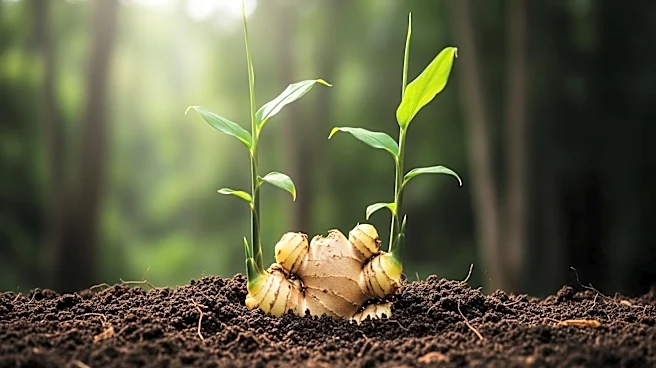






The Zingiber genus, part of the Zingiberaceae family, is a fascinating group of flowering plants known for their culinary and medicinal uses. Native to regions such as China, the Indian subcontinent, New Guinea, and Southeast Asia, Zingiber has a rich history of cultivation and use. This article explores the botanical journey of Zingiber, from its origins to its widespread cultivation across the globe.
Origins and Native Regions
Zingiber's journey begins in its native regions,
where it has been cultivated for centuries. The genus is particularly abundant in Southeast Asia, with Thailand being a notable center of diversity. The warm, humid climate of these regions provides the ideal conditions for Zingiber to thrive. The plant's rhizome, commonly known as ginger, has been a staple in local diets and traditional medicine for generations.
The name Zingiber is derived from the Latin adaptation of a Tamil word, reflecting the plant's deep roots in the Indian subcontinent. This linguistic connection highlights the cultural significance of ginger in these regions, where it is not only a culinary ingredient but also a symbol of health and wellness.
Global Cultivation and Spread
From its origins in Asia, Zingiber has spread to various parts of the world, thanks to its culinary and medicinal appeal. The plant's adaptability to different climates has facilitated its cultivation in diverse regions. Today, ginger is grown in countries as far-flung as Jamaica, Nigeria, and Australia, each region contributing to the global supply of this valuable spice.
The spread of Zingiber can be attributed to historical trade routes, which facilitated the exchange of spices and plants between cultures. As explorers and traders introduced ginger to new lands, it quickly became a sought-after commodity, valued for its unique flavor and health benefits.
The Future of Zingiber Cultivation
As the demand for ginger continues to grow, so does the interest in sustainable cultivation practices. Farmers and researchers are exploring ways to increase yield while minimizing environmental impact. This includes developing disease-resistant varieties and optimizing growing conditions to ensure a steady supply of high-quality ginger.
The global journey of Zingiber is a testament to its enduring appeal and versatility. From its humble beginnings in Southeast Asia to its status as a global staple, ginger's botanical journey is a story of adaptation and resilience. As we look to the future, the continued cultivation and appreciation of Zingiber will undoubtedly play a significant role in global agriculture and cuisine.