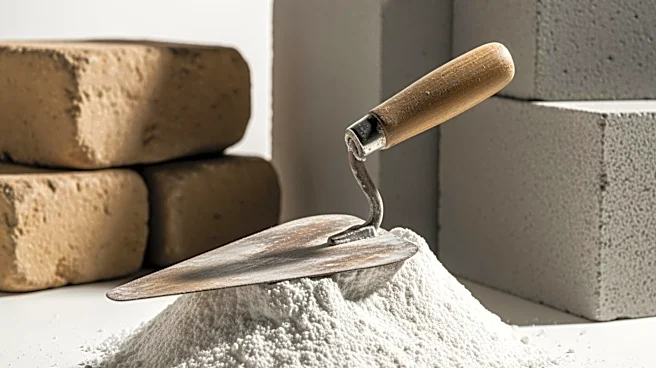








Lime has been a fundamental material in construction for centuries, with its use dating back to ancient civilizations. Its adhesive properties and versatility have made it a staple in building practices throughout history. Today, lime continues to play a crucial role in modern construction, offering benefits that align with contemporary building standards and environmental considerations.
Historical Use of Lime
The use of lime in construction can be traced back to ancient
times, where it was employed as a building mortar. The Romans, in particular, were known for their innovative use of lime in creating Roman concrete, which revolutionized architecture. This early form of concrete allowed for the construction of durable structures, some of which still stand today, showcasing the longevity and effectiveness of lime-based materials.
Lime was also used in the production of lime plaster and whitewash, providing a protective and decorative coating for buildings. Its ability to adhere to various surfaces made it an ideal choice for both interior and exterior applications. The historical significance of lime in construction is evident in the enduring structures that have withstood the test of time, highlighting its durability and resilience.
Modern Applications of Lime
In modern construction, lime continues to be a valuable material due to its unique properties. It is used in the production of mortar, plaster, and render, providing strong and flexible bonds that accommodate movement and prevent cracking. Lime's workability and ease of application make it a preferred choice for masonry work, where precision and durability are essential.
Lime is also valued for its environmental benefits. It is a natural material that can be recycled through the lime cycle, reducing the need for new raw materials and minimizing waste. Additionally, lime's ability to absorb carbon dioxide during carbonation helps mitigate greenhouse gas emissions, aligning with sustainable building practices.
The Future of Lime in Construction
As the construction industry continues to evolve, lime remains a relevant and essential material. Its compatibility with modern building techniques and environmental considerations ensures its continued use in future projects. The development of new lime-based products and technologies further expands its applications, offering innovative solutions for contemporary construction challenges.
In conclusion, lime's historical significance and modern relevance make it a cornerstone of construction practices. Its durability, versatility, and environmental benefits ensure its continued importance in building projects worldwide. As we look to the future, lime will undoubtedly remain a key material in the pursuit of sustainable and resilient construction.