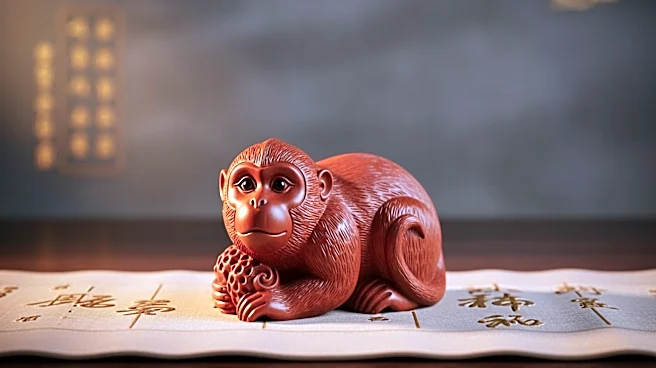







The Monkey holds a unique place in the Chinese zodiac, representing the ninth position in the twelve-year cycle. Known for its association with intelligence and trickery, the Monkey is a fascinating symbol that will next appear in 2028. This article delves into the cultural and symbolic significance of the Monkey within the Chinese zodiac, exploring its attributes and the beliefs surrounding it.
The Monkey's Place in the Zodiac
The Chinese zodiac is a twelve-year cycle, with each
year represented by a different animal. The Monkey is the ninth animal in this cycle, and its next appearance will be in 2028. People born in the Year of the Monkey are often thought to possess the animal's cleverness and wit. The Monkey is associated with traits such as curiosity, mischievousness, and a playful nature, making it a beloved symbol in Chinese culture.
In the context of the zodiac, the Monkey is often seen as a symbol of intelligence and resourcefulness. Those born under this sign are believed to be quick thinkers, able to adapt to changing circumstances with ease. This adaptability and cleverness are key characteristics that define the Monkey's role in the zodiac.
Symbolism and Cultural Significance
Beyond its place in the zodiac, the Monkey holds significant cultural symbolism. In Buddhism, the Monkey is sometimes seen as an early incarnation of Buddha, representing both trickery and the unsettled mind. This duality highlights the complex nature of the Monkey, embodying both positive and negative traits.
The Monkey is also one of the Three Senseless Creatures in Chinese Buddhist symbolism, representing greed. This association with greed is contrasted with the tiger, symbolizing anger, and the deer, symbolizing lovesickness. These symbolic roles illustrate the Monkey's multifaceted nature, reflecting both its playful and cunning aspects.
The Monkey in Other Cultures
The Monkey's significance extends beyond the Chinese zodiac, playing important roles in other cultural and religious contexts. In Jainism, the Monkey is the symbol of the fourth Tirthankara, Abhinandananatha. This association highlights the Monkey's revered status in various spiritual traditions.
In Hinduism, the Monkey is embodied by Hanuman, a prominent deity known for his courage, strength, and devotion. Hanuman is a human-like monkey god who is believed to bestow these qualities upon those who worship him. This reverence for the Monkey in Hinduism underscores its symbolic importance across different cultures and religions.
The Monkey's role in the Chinese zodiac and its broader cultural significance make it a fascinating subject of study. Its attributes of intelligence, trickery, and adaptability continue to capture the imagination of people around the world, ensuring its enduring place in cultural and spiritual traditions.