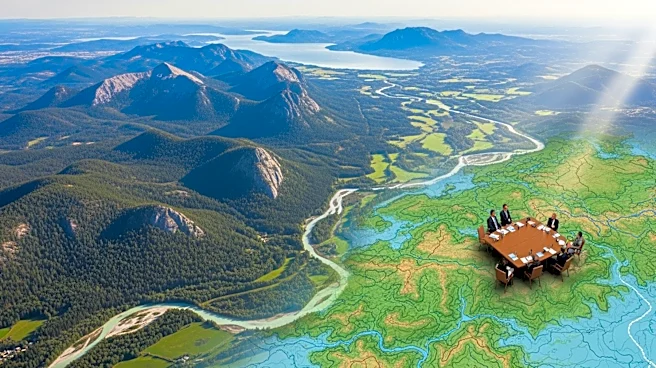




Oregon, located in the Pacific Northwest region of the United States, is known for its diverse geography and population distribution. The state's unique geographic features and demographic trends have played a significant role in shaping its identity. This article explores Oregon's geographic boundaries and the distribution of its population across the state.
Geographic Boundaries and Features
Oregon is bordered by Washington to the north, Idaho to the east, Nevada and California to the south,
and the Pacific Ocean to the west. The Columbia River forms much of the northern boundary with Washington, while the Snake River delineates the eastern boundary with Idaho. The 42nd parallel north serves as the southern boundary with California and Nevada.
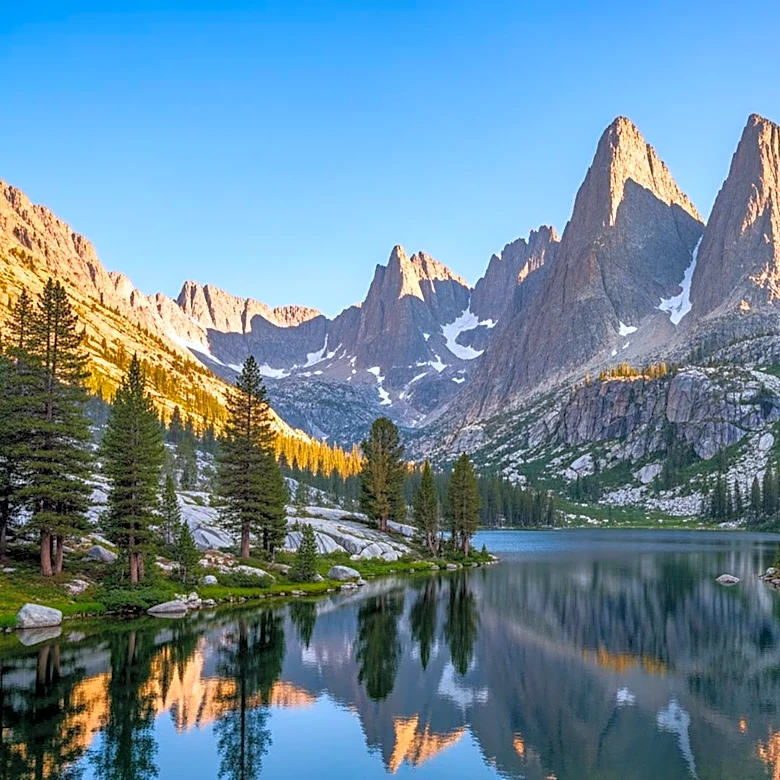
The state's diverse geography includes coastal regions, mountain ranges, and fertile valleys. The Pacific Ocean forms the western boundary, providing Oregon with a stunning coastline. The Cascade Range runs north to south through the state, offering breathtaking views and outdoor recreational opportunities. The Willamette Valley, located between the Coast Range and the Cascades, is known for its fertile soil and agricultural productivity.
Population Distribution and Urban Centers
As of the 2020 U.S. census, Oregon is the 27th-most populous state, with over 4.2 million residents. The state is divided into 36 counties and contains 241 incorporated cities. Approximately 71 percent of Oregon's population lives in cities, which generate a significant portion of the state's economic activity and jobs.
Portland, the largest city, is home to over 652,000 residents and serves as a major cultural and economic hub. The Portland metropolitan area, which includes neighboring counties in Washington, is the 26th largest metro area in the nation, with a population of over 2.5 million. Salem, the state capital, is the third-most populous city, with 175,535 residents.
Urbanization and Economic Activity
Oregon's urban centers are the driving force behind the state's economy. Cities like Portland and Salem are known for their vibrant cultural scenes and economic opportunities. The state's economy is diverse, with key industries including technology, agriculture, and manufacturing.
Urbanization has led to increased economic activity, with cities generating 83 percent of the state's economic output. This trend has also contributed to the development of infrastructure and public services, enhancing the quality of life for residents.
In conclusion, Oregon's geographic and demographic landscape is a defining feature of the state. Its diverse geography and population distribution have shaped its identity and contributed to its economic success. As Oregon continues to grow and evolve, its unique landscape will remain a vital part of its character.