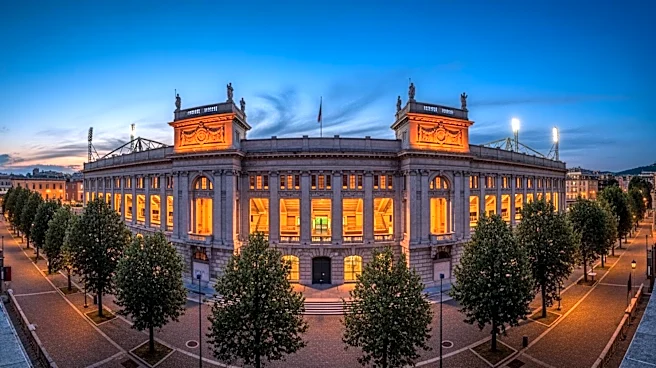

Stadio Luigi Ferraris is more than just a football stadium; it is a cultural landmark in Genoa, Italy. Since its opening in 1911, it has been a central hub for sports and entertainment, deeply intertwined
with the city's identity. This article explores the cultural and social significance of Stadio Luigi Ferraris, highlighting its impact on the local community and its role in Genoa's history.
A Symbol of Local Pride
Located in the Marassi neighborhood, Stadio Luigi Ferraris is a source of pride for the residents of Genoa. It serves as the home ground for two of the city's beloved football clubs, Genoa CFC and UC Sampdoria. The stadium's presence has fostered a strong sense of community and local identity, with football matches drawing large crowds and creating a vibrant atmosphere.
The stadium's name itself is a tribute to Luigi Ferraris, an Italian footballer and soldier who died in World War I. This connection to a local hero adds to the stadium's cultural significance, making it a symbol of Genoa's resilience and spirit.
Hosting International Events
Stadio Luigi Ferraris has played host to numerous international events, further cementing its status as a cultural icon. It was a venue for the FIFA World Cup in both 1934 and 1990, bringing global attention to Genoa. These events showcased the city's ability to host large-scale international competitions, enhancing its reputation on the world stage.
Beyond football, the stadium has also hosted rugby matches and concerts, demonstrating its versatility and appeal. These events attract visitors from outside the city, contributing to Genoa's cultural and economic vitality.
The Stadium's Enduring Legacy
The legacy of Stadio Luigi Ferraris extends beyond its physical structure. It represents the enduring passion for sports in Genoa and the city's commitment to preserving its cultural heritage. As the oldest stadium still in use in Italy, it stands as a testament to the city's rich history and ongoing tradition.
For the people of Genoa, Stadio Luigi Ferraris is more than just a venue; it is a gathering place where memories are made and shared. Its impact on the local community is profound, fostering a sense of unity and pride that transcends generations. As a cultural icon, the stadium continues to play a vital role in the social fabric of Genoa.