


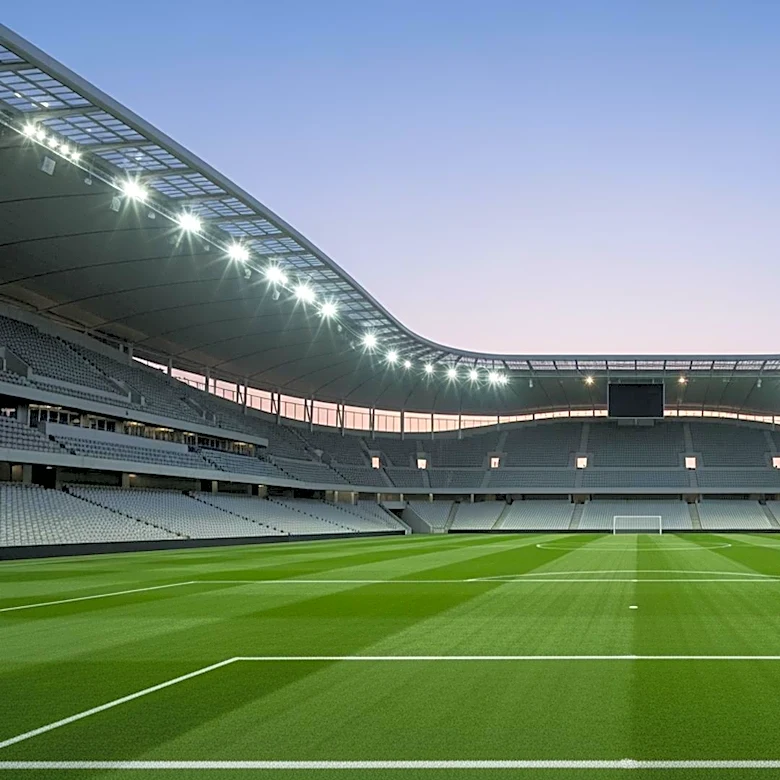



The 1934 FIFA World Cup was a landmark event in the history of international football, and the San Siro stadium in Milan played a crucial role as one of its key venues. Hosting three significant matches, San Siro was at the heart of the action as Italy showcased its football prowess on the world stage. This article delves into the importance of San Siro during the tournament and the matches that took place there.
San Siro: A Premier Venue
San Siro was one of the largest and
most prominent stadiums used during the 1934 FIFA World Cup. Its selection as a venue underscored its status as a premier location for international football. The stadium's capacity and facilities made it an ideal choice for hosting high-profile matches, drawing large crowds and providing an electrifying atmosphere for the games.
The stadium's architecture and design were inspired by English football grounds, featuring four separate stands that allowed for excellent views of the pitch. This design not only accommodated a significant number of spectators but also enhanced the overall experience for fans and players alike. As a result, San Siro became a focal point of the tournament, attracting attention from football enthusiasts around the world.
Key Matches at San Siro
During the 1934 FIFA World Cup, San Siro hosted three pivotal matches that were crucial to the tournament's progression. The first match, held on May 27, 1934, saw Switzerland face off against the Netherlands in the Round of 16. Switzerland emerged victorious with a 3-2 win, advancing to the next stage of the competition.
The quarter-final match on May 31, 1934, featured Germany against Sweden. In a closely contested game, Germany secured a 2-1 victory, moving forward in the tournament. This match highlighted the competitive nature of the World Cup and the high level of skill displayed by the participating teams.
The semi-final match on June 3, 1934, was a significant event for the host nation, Italy. Facing Austria, Italy managed a narrow 1-0 victory, securing their place in the final. This win was a moment of national pride and demonstrated Italy's footballing strength on home soil.
San Siro's Legacy
The 1934 FIFA World Cup was a defining moment for San Siro, cementing its reputation as a world-class football venue. The matches held at the stadium were not only crucial to the tournament's outcome but also contributed to the rich history of international football.
San Siro's role in the 1934 World Cup showcased its ability to host major sporting events and set the stage for future international competitions. The stadium's legacy continues to be celebrated by football fans and remains an iconic symbol of Italy's football heritage.