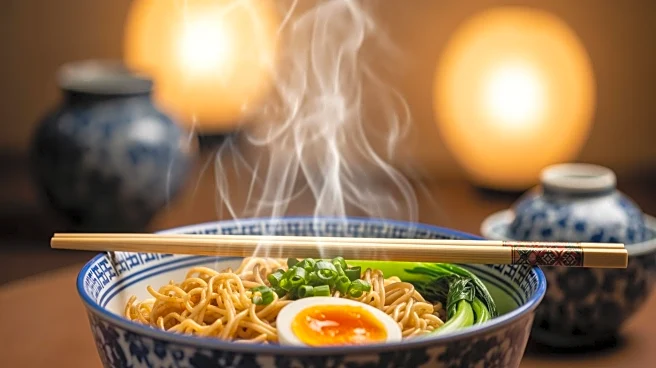




Noodles are more than just a food item; they are a cultural staple that holds significant meaning in various Asian cuisines. From China to Japan, Korea, and Southeast Asia, noodles have been adapted and embraced in unique ways, reflecting the diverse culinary traditions of each region. This article explores the cultural significance and variations of noodles across Asia.
Chinese Noodles: A Culinary Foundation
In China, noodles are an essential part of the culinary landscape, with over 1,200
types commonly consumed today. Chinese noodles vary widely in terms of ingredients, shape, and preparation methods, reflecting the country's vast regional diversity. Wheat noodles, known as "mian" in Mandarin, are a staple in northern China, while rice noodles, or "fen," are more prevalent in the south.
Noodles are deeply embedded in Chinese culture, often symbolizing longevity and prosperity. They are a common feature in celebratory meals and festivals, such as the Lunar New Year. The versatility of Chinese noodles allows them to be served in a variety of dishes, from simple stir-fries to complex soups, making them a beloved food across the nation.
Japanese Noodles: Tradition and Innovation
Japanese cuisine has embraced noodles in various forms, with soba, udon, and ramen being the most popular. Soba noodles, made from buckwheat, are traditionally served cold with a dipping sauce, while udon noodles are thicker and often served in hot broths. Ramen, a Japanese adaptation of Chinese noodle soup, has become a global sensation, known for its rich flavors and diverse toppings.
Noodles in Japan are not just about taste; they are also about the experience. The art of slurping noodles is considered a sign of appreciation, and many noodle shops pride themselves on their unique recipes and preparation techniques. This cultural emphasis on noodles has led to a thriving noodle industry, with regional variations and seasonal specialties.
Southeast Asian Noodles: A Fusion of Flavors
In Southeast Asia, rice noodles are a common ingredient, with each country offering its own take on noodle dishes. In Vietnam, pho is a popular noodle soup made with beef or chicken broth, while Thailand is known for its spicy and tangy pad thai. In Malaysia and Singapore, flat rice noodles, known as kway teow, are often stir-fried with seafood and vegetables.
Noodles in Southeast Asia are a reflection of the region's diverse cultural influences, from Chinese and Indian to Malay and Thai. They are often enjoyed as street food, providing a quick and flavorful meal for locals and tourists alike. The adaptability of noodles to different flavors and ingredients makes them a versatile and cherished part of Southeast Asian cuisine.