

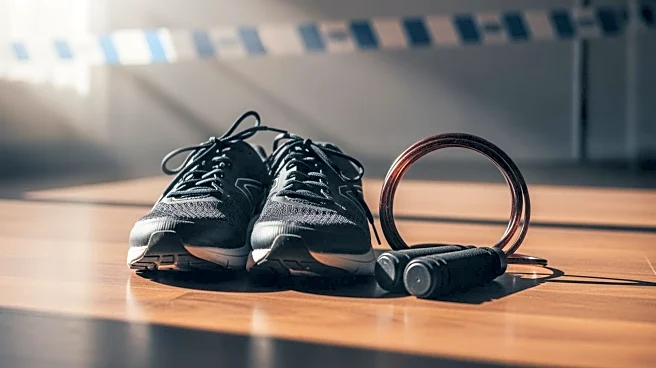

Training is not limited to professional skills; it also encompasses physical fitness, which is crucial for various applications such as sports, martial arts, and military activities. This article explores the significance of physical training and its diverse applications, highlighting how it contributes to achieving specific fitness goals.
The Importance of Physical Training
Physical training focuses on developing specific motor skills, agility, strength, and overall fitness. It is designed
to help individuals peak at a particular time, whether for a sporting event, a martial arts competition, or military readiness. The mechanistic goals of physical training ensure that individuals are prepared to meet the physical demands of their respective activities.
In the military, physical training is essential for gaining the ability to perform and survive in combat situations. It includes learning how to use various weapons, outdoor survival skills, and techniques to endure captivity. This rigorous training ensures that military personnel are physically and mentally prepared for the challenges they may face in the field.
Applications of Physical Training in Sports and Martial Arts
In sports, physical training is crucial for athletes to achieve peak performance. It involves a combination of strength training, endurance exercises, and skill development tailored to the specific requirements of the sport. By focusing on these areas, athletes can enhance their performance, reduce the risk of injury, and extend their careers.
Martial arts training, on the other hand, emphasizes not only physical fitness but also discipline, focus, and mental resilience. Practitioners engage in rigorous training routines that develop their strength, flexibility, and technique. This holistic approach to training ensures that martial artists are well-prepared for both competitive and self-defense situations.
The Role of Training in Stress Management
Beyond physical applications, training can also play a role in stress management. Techniques such as relaxation training and autogenic training are designed to help individuals increase their ability to relax and cope with stress. While some studies suggest that relaxation training can be beneficial for certain medical conditions, the results of autogenic training are less conclusive.
These training methods offer individuals the tools to manage stress effectively, which can have a positive impact on their overall well-being. By incorporating stress management techniques into their training routines, individuals can improve their mental health and enhance their performance in various aspects of life.
In summary, physical training is a vital component of fitness and has numerous applications across different fields. Whether for sports, martial arts, or stress management, training provides individuals with the skills and resilience needed to excel in their chosen activities.