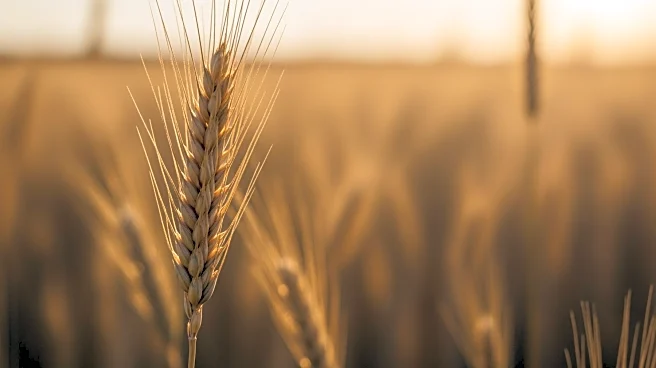




Whole grains are an essential part of a healthy diet, offering numerous nutritional benefits. In the United States, the standards of identity for whole grains play a crucial role in ensuring that consumers receive products that meet specific criteria. These standards help define what constitutes whole grains and how they differ from refined grains.
What Are Whole Grains?
Whole grains consist of the entire caryopsis, which includes the bran, germ, and endosperm. This means
that whole grains retain all their natural components in the same relative proportions as found in the intact grain. The U.S. standards of identity ensure that products labeled as whole grains meet these criteria, providing consumers with the assurance that they are purchasing genuine whole grain products.
The importance of whole grains lies in their nutritional content. They are rich in dietary fiber, vitamins, and minerals, which are often lost during the refining process. By maintaining the integrity of the grain, whole grains offer health benefits such as improved digestion and reduced risk of chronic diseases.
U.S. Standards of Identity
In the United States, the standards of identity for food products are established by governing bodies like the U.S. Department of Agriculture and the Food and Drug Administration. These standards define what a food product must contain to be marketed under a specific name. For whole grains, this means ensuring that products labeled as "whole wheat bread" or "whole wheat flour" contain the necessary components in the correct proportions.
These standards protect consumers by ensuring that labels accurately reflect the contents of the product. For example, a product labeled as whole wheat bread must contain whole wheat flour as its primary ingredient, adhering to the standards set forth by the governing bodies.
The Difference Between Whole and Refined Grains
Refined grains differ significantly from whole grains. During the refining process, the bran and germ are removed, leaving only the starchy endosperm. This process results in a loss of dietary fiber and essential nutrients. To compensate, refined grains are often enriched with nutrients like thiamine, niacin, riboflavin, folic acid, and iron.
While enriched grains may offer some nutritional benefits, they lack the full spectrum of nutrients found in whole grains. The U.S. standards of identity help consumers distinguish between whole and refined grains, allowing them to make informed choices about their diet.
In conclusion, the U.S. standards of identity for whole grains play a vital role in ensuring that consumers receive products that meet specific nutritional criteria. By understanding these standards, individuals can make healthier choices and enjoy the benefits of whole grains.