


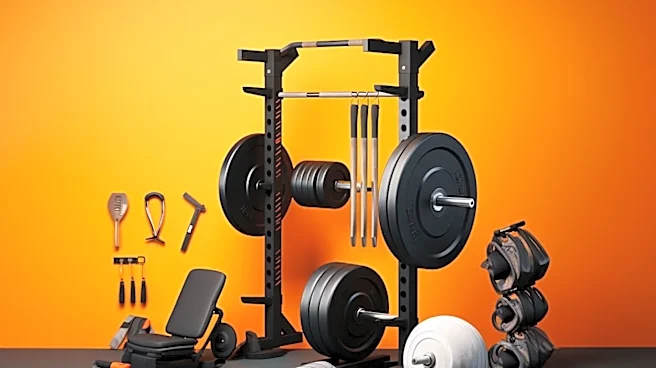


The power rack, also known as a power cage or squat rack, is a staple in weight training, offering a safe and versatile environment for various exercises. Its design has evolved significantly since its inception, providing athletes with a reliable tool for strength training. This article delves into the history and design features of the power rack, highlighting its development over the years.
Origins and Invention
The power rack was invented by Bob Peoples and gained popularity
in the 1960s. Peoples, a pioneer in weightlifting, designed the power rack to allow lifters to perform exercises with heavy weights safely. The invention was a response to the need for a mechanical spotter that could support free weight barbell exercises without the restrictions of other equipment like the Smith machine. The power rack's design, featuring four upright posts and adjustable horizontal bar catches, provided a new level of safety and flexibility for lifters.
In the 1960s, Terry Todd and Dr. Craig Whitehead used the power rack to test their "theory of maximum fatigue," further popularizing its use. Peary Rader, a prominent figure in the weightlifting community, wrote extensively about the power rack in Iron Man magazine, helping to cement its place in gyms worldwide. Despite similar ideas circulating for decades, the power rack's design and functionality set it apart as a revolutionary piece of equipment.
Design Features and Functionality
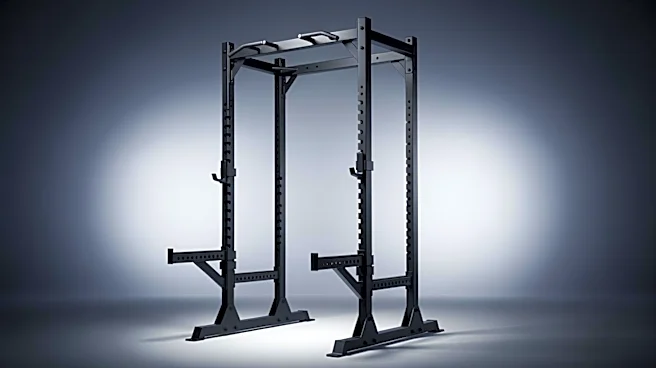
The power rack's design is centered around safety and versatility. It consists of four upright posts with two adjustable horizontal bar catches on each side, allowing lifters to perform a wide range of exercises. These bar catches, also known as spotter arms, can be positioned to prevent the barbell from falling on the lifter in case of muscular fatigue or loss of control. This feature is particularly beneficial for exercises like the bench press and squats, where the risk of injury is higher.
In addition to safety, the power rack allows for limited-range exercises, enabling lifters to use heavier weights than they might with full-range movements. Exercises like rack pulls and rack lockouts are variations that benefit from the power rack's design, providing lifters with the ability to focus on specific parts of a lift. The power rack's adaptability makes it a valuable tool for both novice and experienced lifters.
Modern Variations and Innovations
Over the years, the power rack has seen various innovations, including the development of the half rack. This newer form of the power rack uses two or four vertical posts with cantilevered bar catches, allowing the user to stand in front of the rack rather than in the center. The first half racks were developed at the University of Nebraska–Lincoln, offering a more compact and accessible option for gyms with limited space.
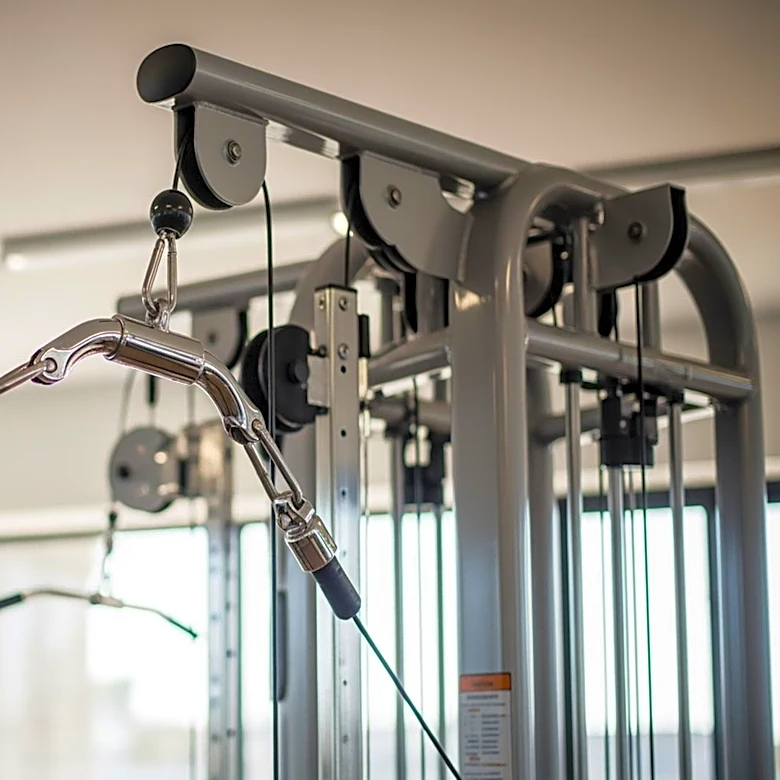
The power rack's evolution continues as manufacturers introduce new features and attachments, such as chin-up bars, pulldown cable attachments, and weight plate storage pegs. These additions enhance the power rack's functionality, making it a comprehensive solution for strength training. As the fitness industry evolves, the power rack remains a fundamental piece of equipment, adapting to meet the needs of lifters worldwide.