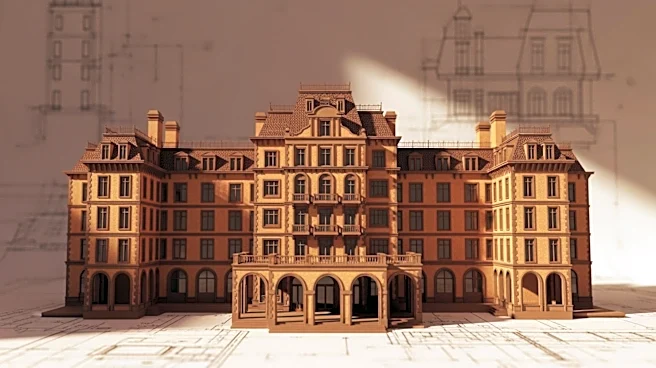






The Astor House Hotel was not only a symbol of luxury and prestige but also an architectural marvel of its time. Designed by Isaiah Rogers, the hotel showcased the Greek Revival style and featured innovative design elements that set it apart from other establishments. This article explores the architectural features and design of the Astor House Hotel, highlighting its significance in the history of New York City.
Greek Revival Style and Design
The Astor House Hotel was designed
by Isaiah Rogers, who was known for his work on the Tremont House in Boston, the first luxury hotel in the United States. The Astor House was built in the Greek Revival style, characterized by its use of pale granite ashlar and quoined corners. The hotel's facade featured embedded Doric pillars and a central entrance flanked by Greek Doric columns, supporting a short length of entablature.
The hotel's design was both grand and functional, with 309 rooms spread across five stories. The sixth floor housed servant's rooms, with mezzanine windows opening in the frieze below the building's cornice. The hotel's interior was equally impressive, with gaslights produced in the hotel's own plant and bathing and toilet facilities on each floor, with water pumped up by steam engines.
Innovative Features and Amenities
The Astor House Hotel was ahead of its time in terms of amenities and features. In 1852, the hotel's tree-shaded central courtyard was covered by an elliptical vaulted cast-iron and glass rotunda, designed by James Bogardus. This rotunda became the city's most stylish luncheon place for gentlemen, featuring a curving bar and side dining rooms.
The hotel's dining options were extensive, with guests able to order from 30 meat and fish dishes offered daily. Despite the changing social norms of the time, the Astor House maintained a policy of not admitting unaccompanied women, preventing prostitutes from nearby brothels from entering the hotel.
A Lasting Architectural Legacy
The Astor House Hotel's architectural design and features set a new standard for luxury hotels in the United States. Its Greek Revival style and innovative amenities made it a landmark in New York City, attracting guests from around the world. Although the hotel was eventually demolished, its architectural legacy lives on as a testament to the grandeur and elegance of 19th-century design.
The Astor House Hotel remains an important part of New York City's architectural history, reflecting the city's growth and transformation over the years. Its design and features continue to inspire and influence modern architecture, showcasing the enduring impact of this iconic establishment.