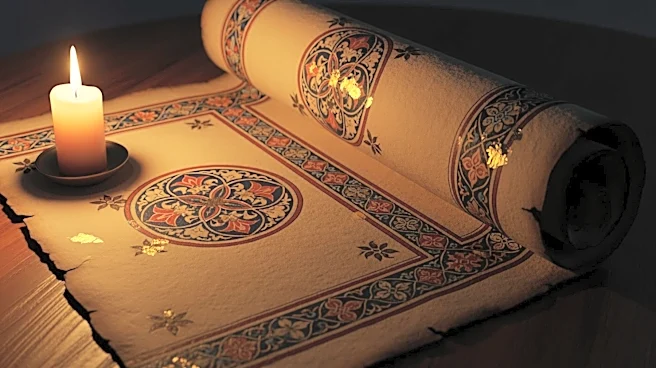






Illuminated manuscripts are more than just beautiful books; they are a reflection of the cultural and social dynamics of medieval Europe. These decorated texts offer a glimpse into the religious, political, and artistic values of the time. By examining the role of illuminated manuscripts in society, we can better understand the complexities of medieval life and the enduring legacy of this art form.
Religious Significance
In medieval Europe, religion played a central role
in daily life, and illuminated manuscripts were often used in religious contexts. The Roman Catholic Church was a major patron of illuminated texts, commissioning works for use in liturgical ceremonies and personal devotion. Psalters, gospel books, and books of hours were among the most common religious manuscripts, each serving a specific purpose in worship and prayer.
The intricate decorations and illustrations in these manuscripts were not merely ornamental; they were intended to enhance the spiritual experience of the reader. The use of gold and vibrant colors symbolized the divine, while the inclusion of religious scenes and figures provided visual narratives that complemented the written text. These manuscripts served as both devotional tools and expressions of faith, reinforcing the Church's influence in medieval society.
Symbols of Power and Wealth
Beyond their religious significance, illuminated manuscripts were also symbols of power and wealth. The production of these texts was a costly and labor-intensive process, requiring skilled scribes and artists. As a result, illuminated manuscripts were often commissioned by wealthy patrons, including royalty and nobility, who sought to display their status and influence.
Personalized prayer books, known as books of hours, were particularly popular among the elite. These manuscripts were customized to include the patron's name, family saints, and heraldry, making them unique expressions of personal devotion and identity. The ownership of an illuminated manuscript was a mark of prestige, reflecting the patron's cultural sophistication and financial resources.
Artistic and Cultural Impact
The art of illumination had a profound impact on the cultural landscape of medieval Europe. The collaboration between scribes and artists led to the development of distinct regional styles, each reflecting the artistic traditions and influences of the area. The Gothic style, characterized by elaborate borders and intricate details, became particularly prominent during this period.
Illuminated manuscripts also served as a medium for storytelling and education. Secular texts, such as bestiaries and chronicles, provided entertainment and moral lessons, while scientific and medical treatises offered valuable knowledge. These manuscripts were not only artistic achievements but also important cultural artifacts that contributed to the intellectual and artistic growth of medieval society.