


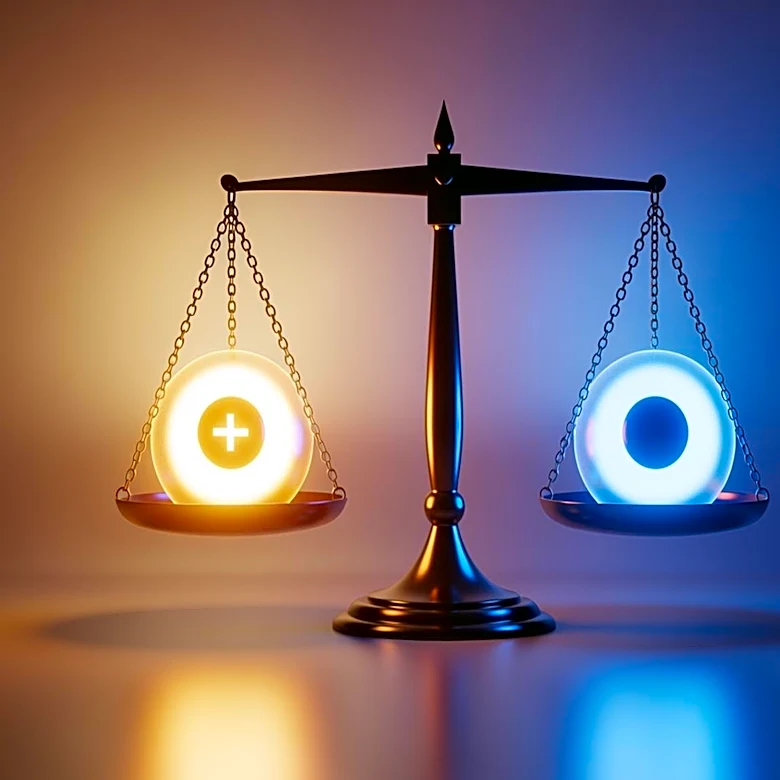




Self-assessment is a fascinating concept within social psychology that involves individuals evaluating aspects of their identity and self-concept. Unlike other self-evaluation motives, self-assessment focuses on the accuracy of one's self-view rather than enhancing it. This article delves into the intricacies of self-assessment, its functions, and its interactions with other self-evaluation motives.
The Role of Self-Assessment
In social psychology, self-assessment is one of the
key motives driving self-evaluation. It prompts individuals to seek information that confirms their uncertain self-concept, thereby enhancing their certainty of self-knowledge. This motive is distinct from self-enhancement and self-verification, as it prioritizes accuracy over positivity. People interested in self-assessment are more concerned with the truth about themselves, even if it might damage their self-esteem.
Self-assessment can be seen as a tool for personal growth. By confronting the reality of one's abilities and traits, individuals can work towards improving themselves. This process might initially harm self-esteem, but it can lead to long-term benefits as individuals strive to achieve greater things. Thus, self-assessment serves as a foundation for future self-enhancement.
Interactions with Other Motives
Self-assessment often interacts with self-enhancement and self-verification motives. While self-enhancement aims to boost the self-concept by focusing on positive feedback, self-assessment seeks accurate self-knowledge, even if it involves negative feedback. This interaction can create a dynamic tension, as individuals balance the desire for accuracy with the need for a positive self-view.
Research has shown that self-assessment is less frequently chosen compared to self-verification and self-enhancement. People tend to prefer verifying their self-concept rather than assessing it, especially when certain traits are central to their identity. This preference highlights the challenge of self-assessment, as individuals may avoid confronting aspects of themselves that could lead to negative evaluations.
The Challenges of Self-Assessment
Despite its importance, self-assessment is not always the most popular self-evaluation motive. Experiments have demonstrated that self-enhancement often takes precedence, with self-assessment only emerging when individuals are encouraged to be objective. This suggests that self-assessment requires a deliberate effort to overcome biases and seek truth.
Moreover, self-assessment can be difficult to implement in environments where open communication is not fostered. High employee turnover and frequent organizational changes can hinder the effectiveness of self-assessment. Nonetheless, when successfully applied, self-assessment can lead to a deeper understanding of oneself and pave the way for personal development.