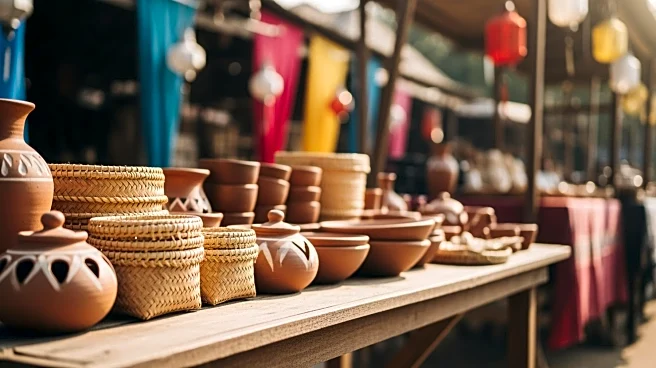




Physical consumer markets are not just places for buying and selling goods; they are vibrant cultural and social hubs that reflect the traditions and lifestyles of the communities they serve. From bustling bazaars to local farmers' markets, these spaces have played a crucial role in shaping cultural identities and fostering social interactions.
Markets as Cultural Hubs
Throughout history, markets have been central to the cultural life of communities. In ancient times, markets were
often located at the heart of cities, serving as gathering places for people from diverse backgrounds. They were venues for exchanging not only goods but also ideas and cultural practices. In the Middle East, bazaars were known for their vibrant atmosphere, where traders and shoppers engaged in lively exchanges.
In medieval Europe, markets were often associated with religious festivals and fairs, which added a layer of cultural significance. These events were not only opportunities for trade but also for entertainment and socializing. Markets became places where people could experience the richness of their culture through music, dance, and other forms of artistic expression.
Regional Variations and Traditions
The cultural significance of markets varies across regions, reflecting local customs and traditions. In Asia, for example, morning markets are common, offering fresh produce and daily necessities. Night markets, on the other hand, are popular for their vibrant atmosphere and diverse range of goods, from street food to clothing and accessories.
In Africa, markets are often lively and colorful, with vendors selling a wide variety of goods, from fresh produce to handmade crafts. These markets are integral to the social fabric of communities, providing a space for people to connect and share their cultural heritage. In Latin America, markets are known for their festive atmosphere, with music and dance often accompanying the shopping experience.
The Social Role of Markets
Beyond their economic function, markets serve as important social spaces where people can interact and build relationships. They are places where community members come together, fostering a sense of belonging and shared identity. Markets provide a platform for small-scale producers and artisans to showcase their work, supporting local economies and preserving traditional crafts.
In many parts of the world, markets are also popular tourist destinations, offering visitors a glimpse into the local culture and way of life. They are places where people can experience the sights, sounds, and flavors of a region, making them an essential part of cultural tourism.
Physical consumer markets continue to be vital cultural and social spaces, reflecting the diversity and richness of human societies. As they evolve, they remain a testament to the enduring importance of community and cultural exchange.