



The cardiovascular system is a complex network that plays a crucial role in maintaining the body's homeostasis. It consists of the heart, blood vessels, and lymphatic vessels, working together to circulate blood and lymph throughout the body. This system is essential for delivering nutrients to tissues and removing metabolic wastes, while also serving as a conduit for hormones and immune cells. Understanding the structure and function of the cardiovascular system is fundamental
to appreciating how it supports life.
Heart: The Central Pump
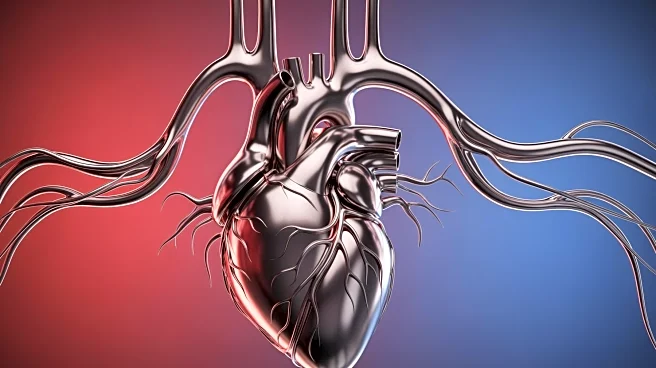
At the center of the cardiovascular system is the heart, a muscular organ responsible for pumping blood throughout the body. The heart is divided into four chambers: the left atrium, left ventricle, right atrium, and right ventricle. Blood flows through these chambers in a coordinated manner, ensuring efficient circulation. The heart's rhythmic contractions are vital for maintaining blood pressure and flow, adapting to the body's changing needs.
The heart's function is supported by a network of blood vessels, including arteries, veins, and capillaries. Arteries carry oxygen-rich blood away from the heart, while veins return deoxygenated blood back to the heart. Capillaries, the smallest blood vessels, facilitate the exchange of nutrients and waste products between blood and tissues. This intricate system ensures that every cell receives the necessary nutrients and oxygen.
Blood Vessels: Pathways of Circulation
Blood vessels are integral to the cardiovascular system, forming a vast network that reaches every part of the body. The arterial system begins with the aorta, the largest artery, which branches into smaller arteries and arterioles. These vessels deliver oxygenated blood to tissues, supporting cellular functions. The elasticity of arterial walls helps maintain blood pressure, allowing for efficient blood flow.
Veins, on the other hand, are responsible for returning deoxygenated blood to the heart. They are equipped with valves that prevent backflow, ensuring unidirectional blood movement. The venous system culminates in the superior and inferior vena cava, which empty into the right atrium of the heart. This cyclical process of blood circulation is essential for sustaining life.
Lymphatic System: Supporting Circulation
Complementing the cardiovascular system is the lymphatic system, which plays a crucial role in fluid balance and immune function. Lymphatic vessels transport lymph, a fluid containing excess plasma and immune cells, from tissues back to the bloodstream. This system helps prevent fluid accumulation in tissues and supports the body's defense against pathogens.
The lymphatic system is an open network, unlike the closed circulatory system. It works in tandem with the immune system, facilitating the movement of immune cells and the removal of waste products. By maintaining fluid balance and supporting immune responses, the lymphatic system is vital to overall health.