








Tie-dye is a fascinating fabric dyeing technique that has captured the imagination of many for its vibrant colors and unique patterns. This method involves a series of resist dyeing techniques that result in the distinctive designs we associate with tie-dye. By folding, twisting, pleating, or crumpling fabric, and then binding it with string or rubber bands, artisans can create a wide array of patterns. The process is both an art and a science, requiring
a careful balance of technique and creativity.
The Basics of Tie-Dye
At its core, tie-dye is about creating patterns through the use of resists. These resists are the folds, twists, and bindings that prevent the dye from reaching certain parts of the fabric. This results in the characteristic patterns that are both colorful and intricate. The process begins with the manipulation of the fabric, which is then bound tightly to maintain the resist. Once the fabric is prepared, dyes are applied, often in a sequence to achieve multiple colors and effects.
More advanced tie-dye techniques may involve additional steps, such as applying an initial dye before the resist or using multiple dyeing and resist steps. Other methods include stitching, stencils, and discharge, which further expand the possibilities of design. Each technique offers a different level of control and complexity, allowing for a wide range of artistic expression.
Dyes and Fabrics
The choice of dye and fabric is crucial in tie-dyeing. Fiber-reactive dyes are commonly used for cellulose fibers like cotton, hemp, and linen. These dyes form a permanent bond with the fabric, ensuring vibrant and long-lasting colors. The process often involves raising the pH with soda ash to facilitate the dye reaction. For protein-based fibers like silk and wool, acid dyes are used, which bond with the fibers at a low pH.
Vat dyes, such as indigo, are another option, though they require a more complex process involving chemical reduction and oxidation. These dyes are known for their high wash-fastness but are typically used by experts due to the safety concerns associated with the chemicals involved. Discharge agents, like household bleach, can also be used to remove color from previously dyed fabrics, offering a reverse tie-dye effect.
Patterns and Designs
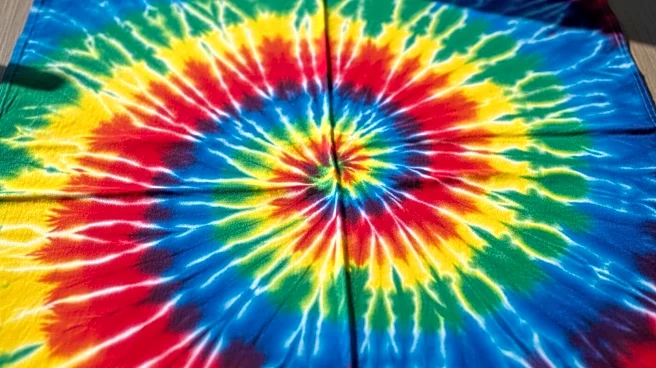
Tie-dye is renowned for its diverse patterns, from spirals and mandalas to peace signs and sunbursts. The design possibilities are nearly endless, limited only by the dyer's imagination and skill. Techniques like stenciling, clamping, and stitching can be used to create specific designs, while the traditional methods of folding and binding offer more organic patterns.
The art of tie-dye is not just about the end result but also the process. Each step, from preparing the fabric to applying the dye, is an opportunity for creativity and experimentation. Whether creating a simple spiral or an intricate mandala, tie-dye allows for personal expression and artistic exploration.