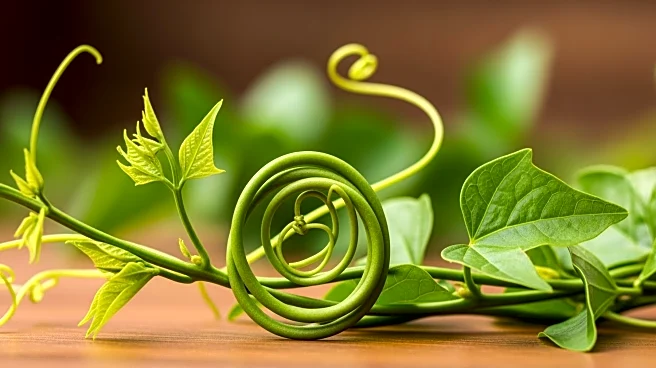

In the Philippines, traditional hair care practices have long relied on natural ingredients, with the Gugo vine playing a central role. Before the advent of commercial shampoos, Filipinos used the bark
of the Gugo vine to cleanse and maintain healthy hair. This practice not only highlights the resourcefulness of Filipino culture but also underscores the importance of natural remedies in personal care.
Traditional Use of Gugo Vine
The Gugo vine, scientifically known as Entada phaseoloides, has been a staple in Filipino hair care for generations. The process involves soaking and rubbing the bark of the vine to produce a lather that effectively cleanses the scalp. This natural shampoo is known for its ability to remove dirt and oils, leaving the hair clean and refreshed.
In addition to its cleansing properties, Gugo is also used as an ingredient in hair tonics, further enhancing its role in traditional hair care. The use of Gugo reflects a deep understanding of the natural environment and its resources, showcasing the ingenuity of Filipino practices in utilizing what is readily available.
Cultural Significance and Benefits
The use of Gugo vine in hair care is deeply rooted in Filipino culture, representing a connection to the land and its natural offerings. This practice is not only effective but also sustainable, as it relies on a renewable resource that grows abundantly in the region.
Gugo's popularity in traditional hair care is due to its natural benefits, which include promoting hair growth and improving scalp health. These properties have made it a valued component of Filipino beauty routines, passed down through generations as a trusted method for maintaining healthy hair.
Modern Revival and Sustainability
With the rise of commercial shampoos, traditional methods like the use of Gugo have become less common. However, there is a growing movement towards natural and sustainable living, leading to a revival of interest in these age-old practices. The Gugo vine offers a chemical-free alternative to modern hair care products, appealing to those seeking to minimize their environmental impact.
In conclusion, the Gugo vine remains an important part of Filipino hair care, symbolizing a cultural heritage that values natural remedies and sustainable practices. As interest in natural products continues to grow, the traditional use of Gugo may find new relevance, offering a glimpse into the wisdom of Filipino ancestors and their harmonious relationship with nature.