



Dog agility is a thrilling sport that combines speed, precision, and teamwork between a dog and its handler. In this sport, handlers direct their dogs through a series of obstacles in a race against time and for accuracy. The sport demands a high level of training and coordination, making it a favorite among dog enthusiasts who enjoy the challenge of working closely with their canine companions.
The Structure of Agility Courses
Agility courses are designed to test a dog's ability
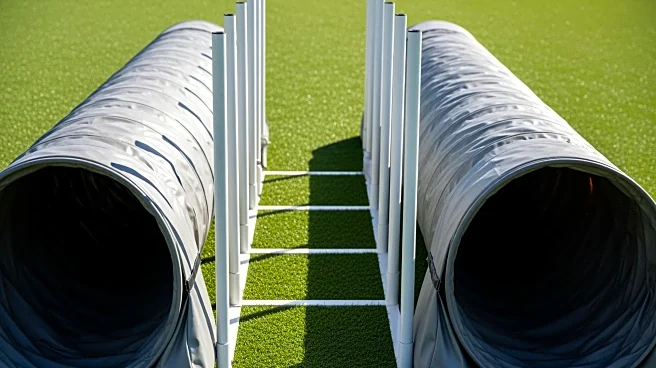
to navigate various obstacles while following the handler's commands. These courses are set up by judges and can include a variety of obstacles such as tunnels, weave poles, jumps, and contact obstacles like the A-frame and seesaw. Each course is unique, requiring handlers to assess the layout and plan their strategy before the competition begins.
Handlers are given a short walk-through period before the competition to familiarize themselves with the course. During this time, they can plan their movements and decide how best to guide their dogs through the obstacles. The course is marked with numbers indicating the order in which the obstacles must be completed, adding an additional layer of complexity to the competition.
The Challenges of Agility
One of the main challenges in dog agility is the need for precise communication between the handler and the dog. Since dogs run off-leash and without incentives like food or toys, handlers must rely on voice commands, body language, and movement to guide their dogs. This requires a deep understanding of the dog's behavior and the ability to anticipate its actions.
The agility course is designed to be complex enough that a dog cannot complete it correctly without human direction. This means that handlers must be quick on their feet, making split-second decisions to ensure their dogs stay on course. The sport also requires a high level of physical fitness from both the dog and the handler, as they must navigate the course at a fast pace.
Scoring and Competition
In agility competitions, scoring is based on the number of faults incurred during the run. Faults can include knocking down a bar on a jump or taking an obstacle out of order. Time faults are also considered, with penalties given for exceeding the standard course time. The goal is to complete the course as quickly and accurately as possible.
Agility competitions are held at various levels, from local club events to national and international championships. Each level presents its own set of challenges, with courses becoming more complex and demanding as the level of competition increases. This progression allows handlers and their dogs to continually improve and refine their skills.
In summary, dog agility is a dynamic and challenging sport that tests the abilities of both the dog and the handler. The intricate courses and the need for precise communication make it a rewarding experience for those who participate. Whether competing at a local level or on the world stage, agility offers a unique opportunity for dogs and their handlers to showcase their skills and teamwork.