





Italian cuisine is renowned worldwide for its rich flavors and diverse dishes. However, the journey of Italian cuisine is a fascinating tale of evolution influenced by various cultures and historical events. From its ancient roots to its modern-day global popularity, Italian cuisine has undergone significant transformations.
Ancient and Medieval Influences
The origins of Italian cuisine can be traced back to ancient times, with influences from the Etruscans, Greeks, and Romans. These
early civilizations laid the foundation for Italian culinary traditions, introducing ingredients like olives, grapes, and wheat. The Roman Empire further enriched the cuisine by incorporating spices and herbs from their vast territories.
During the Middle Ages, Italian cuisine continued to evolve as different regions developed their own unique culinary identities. The introduction of new ingredients from the Arab world, such as rice, sugar, and citrus fruits, had a profound impact on Italian cooking. These ingredients became staples in many regional dishes, showcasing the adaptability and creativity of Italian chefs.
The Renaissance and the New World
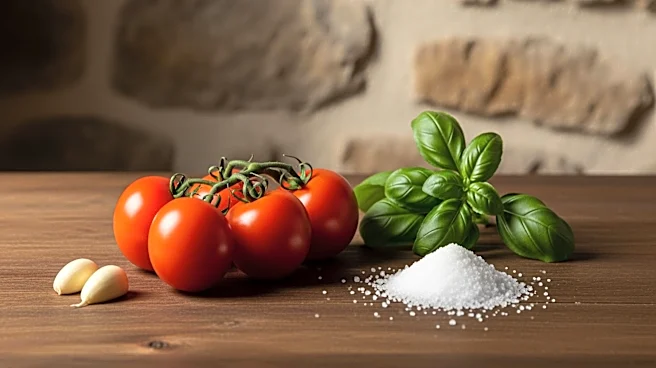
The Renaissance period marked a significant turning point in Italian cuisine. With the discovery of the New World, ingredients like tomatoes, potatoes, and maize were introduced to Italy. These ingredients, initially met with skepticism, eventually became integral to Italian cooking. The tomato, in particular, revolutionized Italian cuisine, becoming a key component in many iconic dishes.
The Renaissance also saw the rise of culinary arts, with chefs experimenting with new techniques and flavors. This era laid the groundwork for the rich and diverse Italian cuisine we know today. Regional specialties began to emerge, each reflecting the local culture and available ingredients.
Modern Italian Cuisine
In the modern era, Italian cuisine has become a global phenomenon, celebrated for its simplicity and emphasis on fresh, high-quality ingredients. The Mediterranean diet, which forms the basis of Italian cooking, is renowned for its health benefits and delicious flavors. Italian dishes like pasta, pizza, and gelato have become beloved worldwide, often adapted to suit local tastes.
Despite its global popularity, Italian cuisine remains deeply rooted in tradition. Many dishes are still prepared using age-old recipes passed down through generations. The emphasis on regional ingredients and seasonal produce continues to define Italian cooking, ensuring that each dish is a true reflection of its origins.
Italian cuisine's journey through history is a testament to its resilience and adaptability. From ancient times to the present day, it has evolved while staying true to its roots, making it one of the most cherished and enduring culinary traditions in the world.