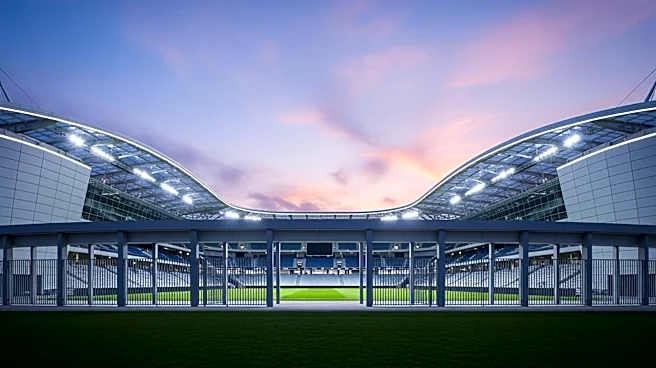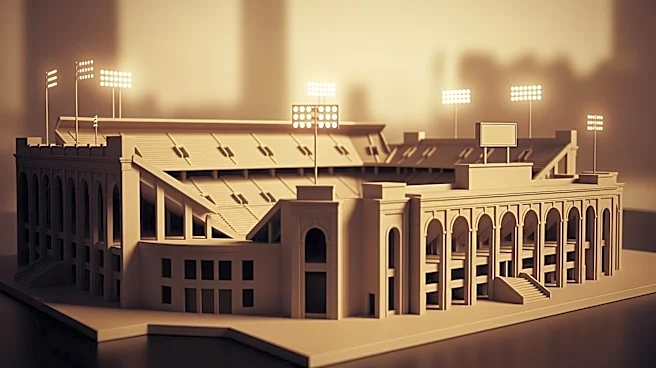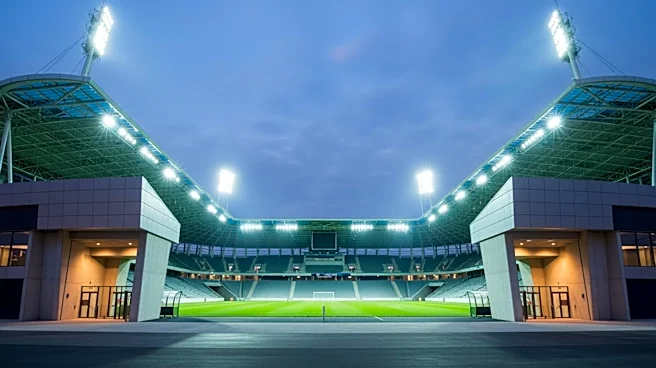







Stadium de Toulouse, located on the island of Ramier near the center of Toulouse, France, is a versatile sports venue with a rich history of hosting various events. Built in 1937, the stadium has undergone several renovations and has been a key location for football, rugby, and even concerts. This article explores the multifaceted nature of Stadium de Toulouse, highlighting its diverse uses and significant renovations.
Construction and Early Years
The Stadium de Toulouse was constructed
in 1937 with the intention of hosting matches for the 1938 FIFA World Cup. However, due to ongoing construction, the World Cup matches were played at the Stade du T.O.E.C. instead. Despite this setback, the stadium quickly became a central hub for sports in Toulouse, hosting numerous football matches and serving as the home ground for Toulouse Football Club.
In its early years, the stadium was primarily used for football, reflecting the popularity of the sport in France. Its location near the city center made it accessible to fans and players alike, contributing to its status as a key sports venue. The stadium's construction marked a significant development in Toulouse's sporting infrastructure, setting the stage for its future as a multi-purpose venue.
Renovations and Expansions
Stadium de Toulouse has undergone extensive renovations, first in 1949 and later in 1997 and 2016. These renovations have expanded its capacity to 33,150 and improved its facilities, allowing it to host a wider range of events. The renovations have ensured that the stadium remains a modern and competitive venue, capable of accommodating large crowds and international events.
The renovations have also allowed the stadium to host major tournaments, such as the 1998 FIFA World Cup and the 2007 Rugby World Cup. These events have brought international attention to Toulouse and showcased the stadium's ability to host high-profile matches. The improvements have made Stadium de Toulouse a versatile venue, capable of adapting to the changing needs of sports and entertainment.
Diverse Uses and Events
Beyond football and rugby, Stadium de Toulouse has hosted a variety of events, including concerts and international rugby matches. Notably, Michael Jackson performed at the stadium during his Dangerous World Tour in 1992, drawing a crowd of 40,000 people. The stadium's ability to host such diverse events highlights its versatility and importance as a cultural venue in Toulouse.
The stadium's location and facilities make it an ideal venue for both sports and entertainment, attracting visitors from across France and beyond. Its role in hosting major events has cemented its status as a key venue in Toulouse, contributing to the city's reputation as a center for sports and culture. Today, Stadium de Toulouse continues to serve as a dynamic and multifaceted venue, reflecting the diverse interests and activities of the community.