






Woodblock printing is not only a method of reproducing text and images but also an art form that requires skill and creativity. This article delves into the techniques and artistry involved in woodblock printing, highlighting the craftsmanship that has made it a celebrated art form across cultures.
The Process of Woodblock Printing
The process of woodblock printing begins with the selection of a suitable piece of wood, often from trees like cherry or pear, known for their fine grain
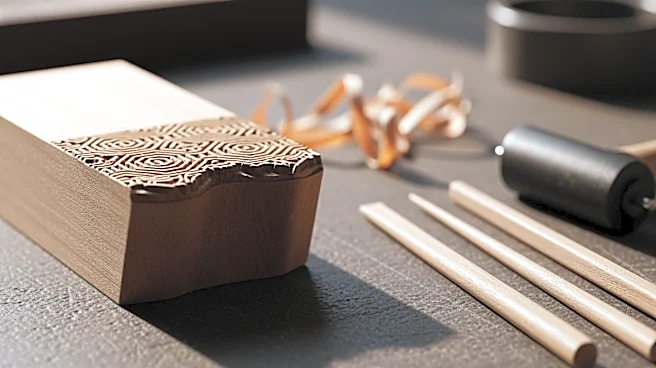
and durability. The artist then carves the desired image or text into the wood, creating a relief pattern. This carving process is meticulous and requires precision, as the raised areas of the block will receive the ink and transfer the image onto paper or fabric.
Once the block is carved, it is inked using a brush or roller. The ink is applied evenly to ensure a consistent print. The block is then carefully pressed onto the paper or fabric, either by hand or using a press. This step requires skill to ensure that the image is transferred cleanly and without smudging. The process can be repeated multiple times to produce several copies of the same image.
Techniques and Variations
Woodblock printing offers a range of techniques and variations that artists can use to achieve different effects. One such technique is bokashi, used in Japanese woodblock printing to create gradations of color. This involves applying ink in varying intensities to achieve a gradient effect, adding depth and dimension to the print.
Another technique is the use of multiple blocks for multicolor prints. Each block is carved for a specific color, and the paper is printed multiple times, once for each color. This method requires careful alignment to ensure that the colors register correctly, resulting in vibrant and detailed images.
The Artistic Legacy of Woodblock Printing
Woodblock printing has a rich artistic legacy, influencing various art forms and movements. In Japan, ukiyo-e prints became iconic, depicting scenes from everyday life, landscapes, and famous actors. These prints were highly popular and had a significant impact on Western art, inspiring movements such as Impressionism.
The artistry of woodblock printing lies in its ability to combine technical skill with creative expression. Each print is a testament to the artist's craftsmanship and vision, capturing the beauty and complexity of the world in a unique and enduring form. Today, woodblock printing continues to be a respected and practiced art form, with artists exploring its possibilities and pushing its boundaries.