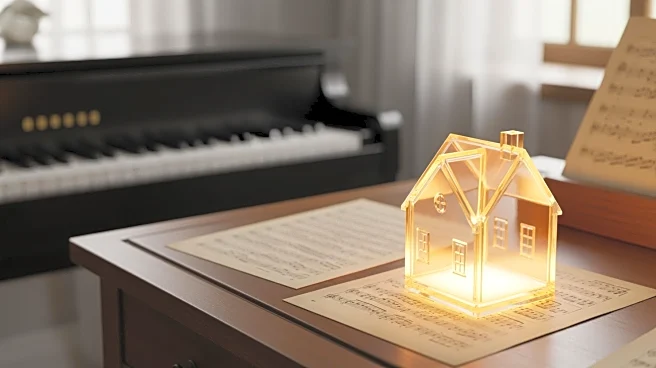



Billy Joel's Glass Houses album, released in 1980, was a product of a unique creative process that involved collaboration and experimentation. Produced by Phil Ramone, the album marked Joel's third collaboration with Ramone and showcased a harder-edged sound. This article delves into the production and creative process behind Glass Houses, highlighting the elements that contributed to its success.
Collaboration with Phil Ramone
Glass Houses was the third collaboration between Billy
Joel and producer Phil Ramone, following The Stranger and 52nd Street. Ramone's influence on the album was significant, as he helped Joel achieve the harder-edged sound that defined Glass Houses. The album was recorded at A & R Studios in New York City, a location that provided the ideal environment for Joel's creative exploration.
Ramone's production style complemented Joel's vision for the album, allowing him to experiment with new musical elements. The collaboration between Joel and Ramone was marked by a shared understanding of the direction Joel wanted to take, resulting in a cohesive and impactful album. This partnership was instrumental in shaping the sound of Glass Houses and contributed to its commercial success.
Creative Experimentation
The creative process behind Glass Houses involved experimentation with different musical styles and sounds. The album opens with the sound of glass shattering, setting the tone for the harder-edged rock feel that permeates the record. This choice of sound was a deliberate move by Joel to break away from his previous work and embrace a new musical direction.
Joel's willingness to experiment is evident in tracks like "It's Still Rock and Roll to Me" and "You May Be Right," which incorporate elements of rock and new wave. These songs reflect Joel's adaptability and his ability to incorporate contemporary musical trends into his work. The album's diverse sound is a testament to Joel's creative process and his commitment to pushing boundaries.
Final Collaboration and Legacy
Glass Houses was the final studio album to feature the original incarnation of the Billy Joel Band, augmented by new lead guitarist David Brown. This lineup contributed to the album's distinctive sound and played a crucial role in its production. The band's chemistry and musical talent were integral to the album's success.
The legacy of Glass Houses is evident in its continued popularity and influence on Joel's career. The album's creative process, marked by collaboration and experimentation, set a precedent for Joel's future work. By embracing new musical styles and pushing creative boundaries, Joel not only expanded his artistic range but also contributed to the evolution of rock music in the 1980s.