




Space Shuttle Columbia played a pivotal role in advancing scientific research in space. As NASA's flagship orbiter, Columbia was often dedicated to missions focused on scientific exploration and experimentation. Over its 22 years of operation, Columbia completed 28 missions, many of which were centered around scientific research. This article explores the scientific contributions of Columbia, highlighting its involvement in Spacelab, microgravity
experiments, and satellite deployments.
Spacelab Missions
Columbia was instrumental in conducting scientific research through its involvement in Spacelab missions. Spacelab was a reusable laboratory developed by the European Space Agency, designed to be carried in the payload bay of the Space Shuttle. Columbia flew eleven of the fifteen Spacelab missions, providing a platform for scientists to conduct experiments in various fields, including biology, physics, and astronomy.
One notable mission was STS-9, where Columbia carried the Spacelab science laboratory and a six-person crew, including the first non-American astronaut, Ulf Merbold. This mission focused on a wide range of scientific experiments, contributing valuable data to the scientific community. Columbia's ability to host Spacelab missions demonstrated the versatility of the Space Shuttle in supporting diverse scientific endeavors.
Microgravity Research
Columbia was also involved in microgravity research, conducting all four United States Microgravity Payload missions. These missions aimed to study the effects of microgravity on various materials and biological processes. Columbia's Extended Duration Orbiter pallet allowed it to fly some of the longest missions in the Shuttle Program history, facilitating extended stays in orbit for scientific research.
The longest duration flight of the Shuttle Program, STS-80, was flown with Columbia in 1996, lasting over 17 days in orbit. This mission provided an opportunity to conduct experiments that required prolonged exposure to microgravity, yielding insights into phenomena that cannot be observed on Earth.
Satellite Deployments and Observatories
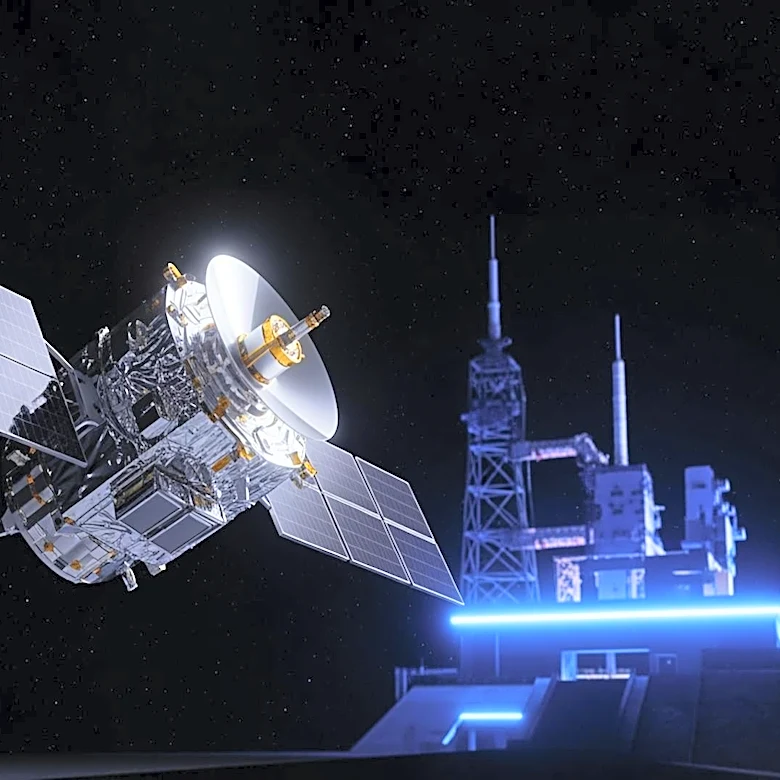
Columbia was used to deploy several satellites and observatories, contributing to advancements in space-based technology and research. On STS-5, Columbia deployed the first-ever satellites into orbit by the Shuttle. It also retrieved the Long Duration Exposure Facility and deployed the Chandra X-ray Observatory, which was the heaviest payload ever carried by the Space Shuttle.
These deployments expanded the capabilities of space-based observation and research, allowing scientists to study the universe in greater detail. Columbia's role in deploying satellites and observatories underscored its importance in supporting scientific advancements beyond Earth's atmosphere.
Space Shuttle Columbia's scientific missions and contributions have left a lasting impact on the field of space research. Its ability to host laboratories, conduct microgravity experiments, and deploy satellites has provided invaluable data and insights, furthering our understanding of the universe and the effects of space on various materials and processes.