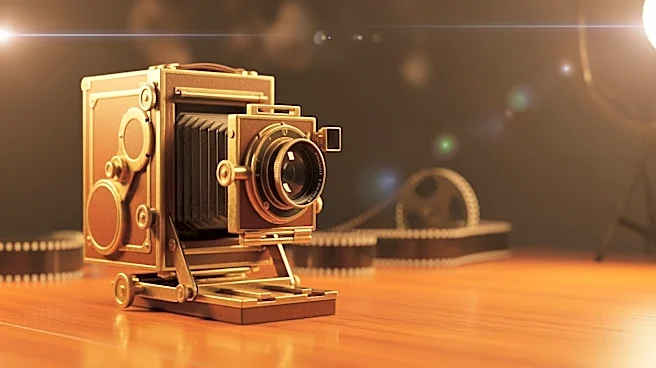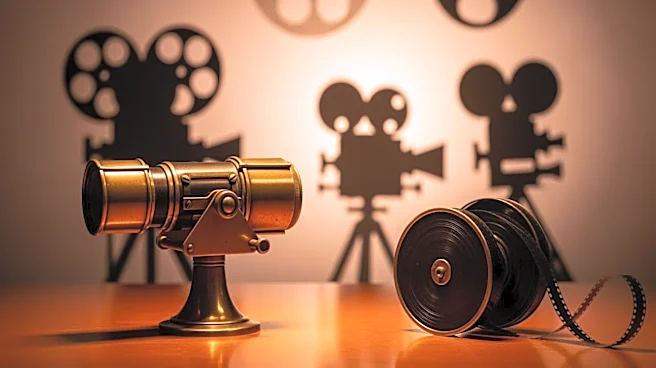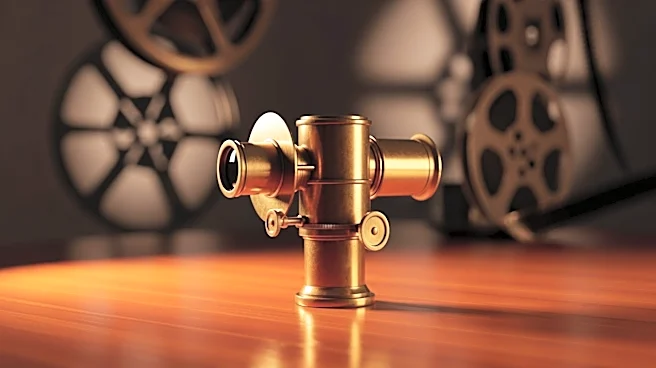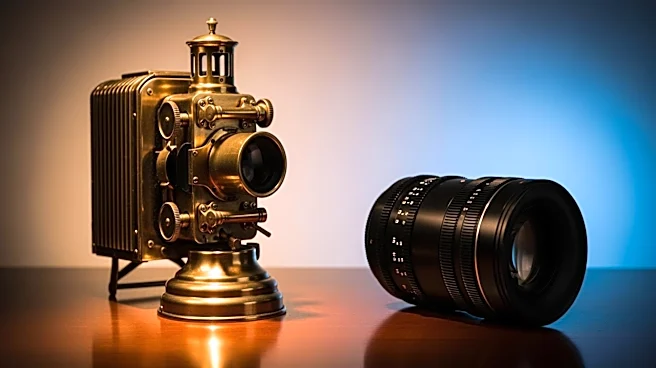

The journey of film technology is a fascinating tale of innovation and creativity. From the early days of magic lanterns to the digital cinema of today, each advancement has contributed to the rich tapestry
of motion picture history. This article explores the key milestones in the evolution of film technology, highlighting the significant breakthroughs that have shaped the way we experience movies.
Early Beginnings: Magic Lanterns and Stroboscopic Animation
The history of film technology can be traced back to the 19th century, with the magic lantern being one of the earliest devices used to project images. Developed around 1659 by Christiaan Huygens, the magic lantern projected slides painted on glass, often depicting colorful scenes. This device laid the groundwork for future projection technologies and captivated audiences with its ability to bring images to life.
In the early 1830s, the stroboscopic animation principle was introduced with the invention of the phenakistiscope by Joseph Plateau and Simon Stampfer. This device created the illusion of motion by spinning a disc with sequential images, viewed through slits. The phenakistiscope was soon followed by other animation toys like the zoetrope and the praxinoscope, which further refined the concept of moving images.
The Advent of Cinematography: Capturing Motion
The late 19th century saw significant advancements in capturing motion, leading to the birth of cinematography. Eadweard Muybridge's work in the 1870s, capturing sequential photographs of a galloping horse, demonstrated the potential of motion photography. His experiments laid the foundation for future developments in film technology.
In the 1890s, the Lumière brothers introduced the Cinématographe, a device that could record, develop, and project film. This invention marked a turning point in film history, as it allowed for the public exhibition of motion pictures. The Lumière brothers' films, such as "Workers Leaving the Lumière Factory," captivated audiences and established the medium as a form of entertainment.
The Digital Revolution: Transforming the Film Industry
The transition from analog to digital technology in the late 20th century revolutionized the film industry. Digital cinematography, which uses digital image sensors instead of traditional film stock, became increasingly popular due to its cost-effectiveness and flexibility. By the early 21st century, digital projection had largely replaced traditional film projectors in theaters worldwide.
The rise of digital technology also paved the way for new cinematic experiences, such as 3D films and virtual reality. These innovations have expanded the possibilities of storytelling and continue to push the boundaries of what is possible in cinema.
The evolution of film technology is a testament to human ingenuity and the relentless pursuit of new ways to captivate audiences. As technology continues to advance, the future of cinema promises even more exciting developments.